

Part of the Solo Women Travellers Series
When I started solo travel in Australia, I was driving a two-wheel drive Hyundai Active X hatchback. One day, I decided the Boulia Camel Races in far western Queensland sounded like a grand idea. I borrowed my flatmate’s Jetboil, bought a swag and a sleeping bag, packed 10 litres of water, and drove 11 hours into remote Australia to get there.
I was naive, made every rookie error, and had a mind full of doubts. But heading out anyway turned out to be the best decision I’ve ever made.
Overcoming the pre-trip fear of travelling alone isn’t about being completely fearless. It’s about building self-reliance, getting on the road, and letting the experience transform your confidence. Here is the exact mindset shift that happens when you take on remote Australia as a solo female traveller.
1. Navigating the Pre-Trip Anxiety Phase
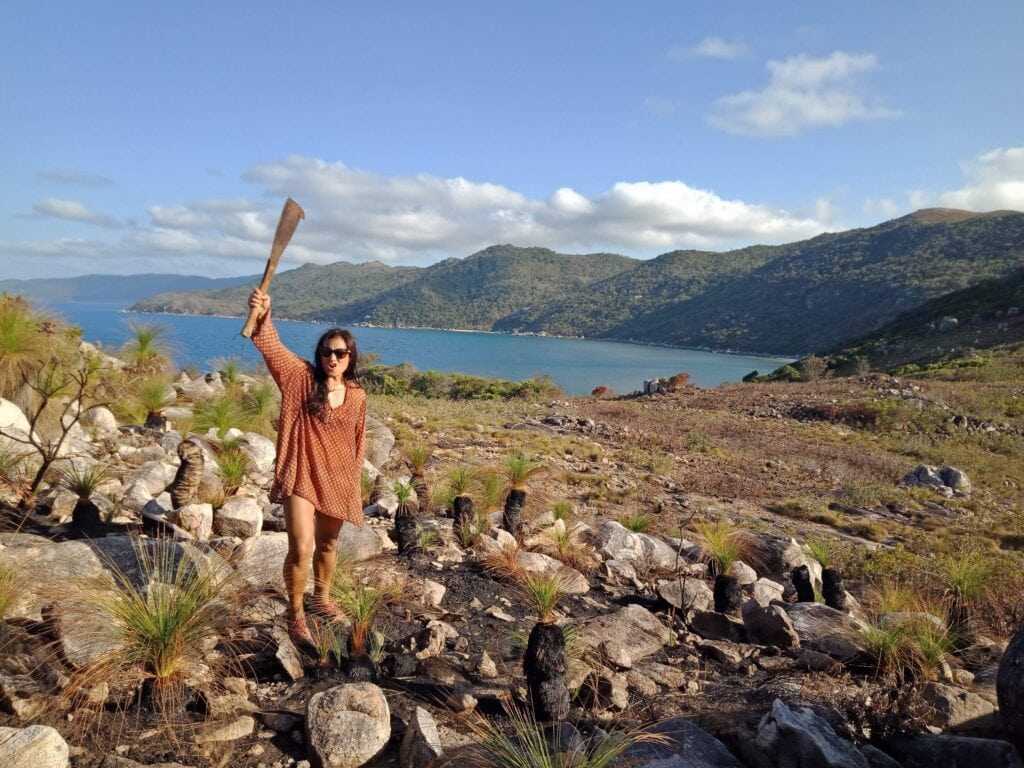
There is a distinct moment right before you head off on your first solo road trip where you pause and think: What on earth am I doing?
You’re sitting in the driver’s seat, the gear is packed, and suddenly all the worst-case scenarios rush in at once:
- Is it really safe for a woman travelling alone?
- What if I break down or get bogged with no reception?
- What if I get lonely out in the bush?
I felt every single one of those doubts before driving out to Boulia. Pre-trip anxiety is completely normal. The fear of the unknown is always at its absolute peak while you are standing still. The second you put the car in drive and hit the bitumen, that nervous energy turns into momentum.
2. From “What If” to “I Can Handle This”
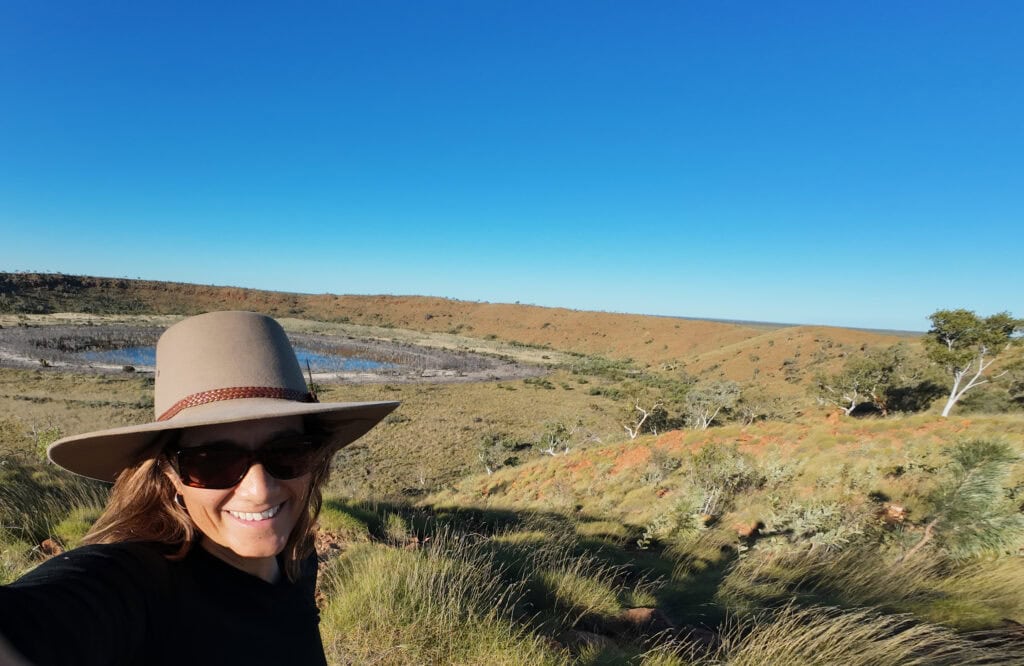
Before you leave home, your brain naturally plays out emergency scenarios in high definition. But once you are actively touring, your mindset flips from passive worry to practical action.
When a real challenge happens on the track—whether it’s fixing loose bash plates, managing tyre pressures, or dealing with an unexpected road closure—you don’t have time to panic. You simply get stuck in and solve it step-by-step.
Every small win on the road chips away at your self-doubt. You stop asking “What if something goes wrong?” and start saying “If something happens, I have the tools and skills to deal with it.”
3. Unlearning People-Pleasing & Setting Safety Boundaries
Women are often socialised to be polite and accommodating. But when you are camping and touring solo, your gut instinct is your primary safety tool. Solo travel teaches you to drop the guilt and trust your intuition completely.
- Trust your instincts: If a free camp, town, or rest stop gives you a bad vibe, leave immediately. You do not owe anyone an explanation.
- Firm safety boundaries: If a stranger asks too many questions about whether you are alone, drop a firm boundary line: “My partner is just grabbing something from the truck” or “I’m meeting my group down the road.”
- Shift camp without guilt: If a situation feels uncomfortable after setting up, pack up your swag or rig, shift camp, and drive to a safer location or a paid station stay.
Situational awareness isn’t living in fear—it is smart, responsible self-reliance. Protecting your personal space is never rude; it is essential safety.
4. Understanding Solitude vs. Loneliness in the Outback
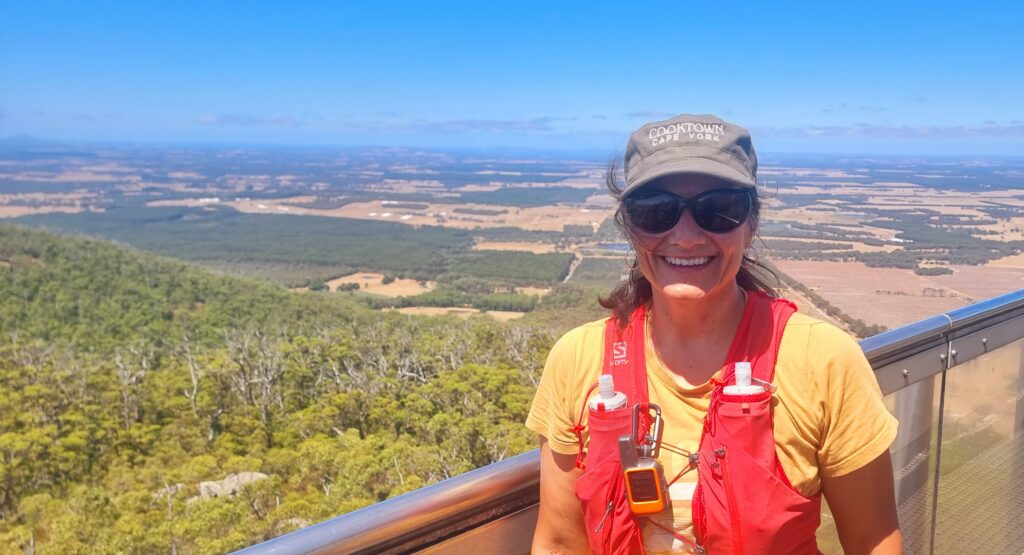
One of the most common questions women ask about travelling alone is: “Don’t you get lonely out there by yourself?”
There is a fundamental difference between feeling lonely and experiencing solitude:
- Loneliness is a feeling of isolation or being disconnected.
- Solitude is being deeply connected with yourself, your environment, and the landscape around you.
When you sit by a campfire under the Kimberley stars (always check you are allowed before lighting a fire) or watch a desert sunrise over the red dirt with no noise except the wind, the mental chatter fades. You stop consuming other people’s opinions and schedules, and you learn to truly enjoy your own company and breathe with nature.
5. Reclaiming Total Ownership of Your Time
When was the last time you made decisions based only on what you wanted to do?
In daily life, our schedules are dominated by work, family, and social obligations. Solo travel strips all of that away and gives you complete autonomy over your day.
- Want to pull over and watch the sunrise for two hours? You can.
- Want to drive an extra 200 kilometres because a side track looks interesting? Go for it.
- Want to eat a simple meal early and roll out your swag at 5:00 PM? Nobody is stopping you.
Reclaiming total control over your schedule reminds you of an essential truth: this is your life, and you get to choose what it looks like.
6. The Long-Term Confidence That Follows You Home
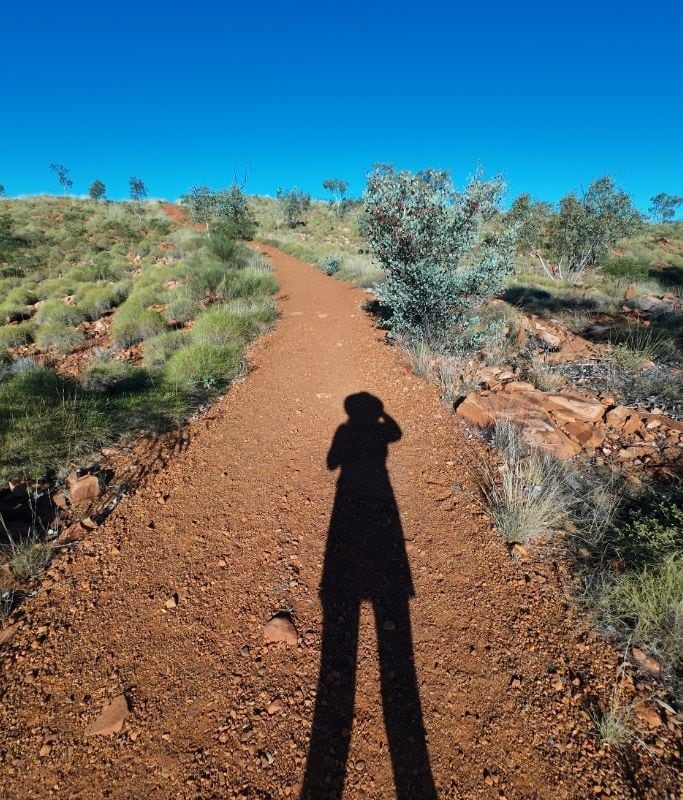
The best part about taking on remote Australian road trips alone is that the independence you build doesn’t stay on the dirt roads. It follows you home into everyday life.
Once you’ve driven thousands of kilometres across remote terrain, handled your own vehicle setup, navigated track permits, and backed yourself through the hard days, standard everyday stress shrinks down to size.
You return home knowing that if you can navigate the Australian Outback solo, you can handle almost anything life throws your way.
Ready to Build Your Solo Touring Confidence?
Solo travel in Australia isn’t about being fearless—it’s about being prepared, staying curious, and backing yourself every step of the way.
Start small, plan well, carry the right safety gear, and trust your instincts. You don’t need anyone’s permission to go. You just need the drive to start.
This post is part of the Solo Women Travellers Series.
Read Part 1 of the Series:
⭢ Solo Female Travel Australia: The Ultimate Safety, Gear & Planning Guide
