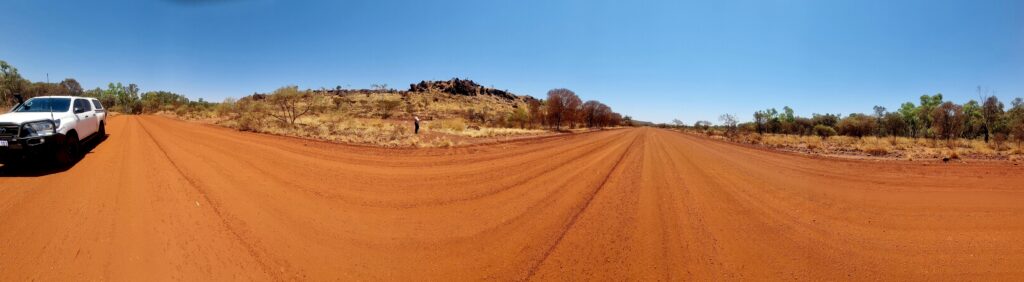
Outback Australia Guide: 27 Expert Tips for a Safe Adventure
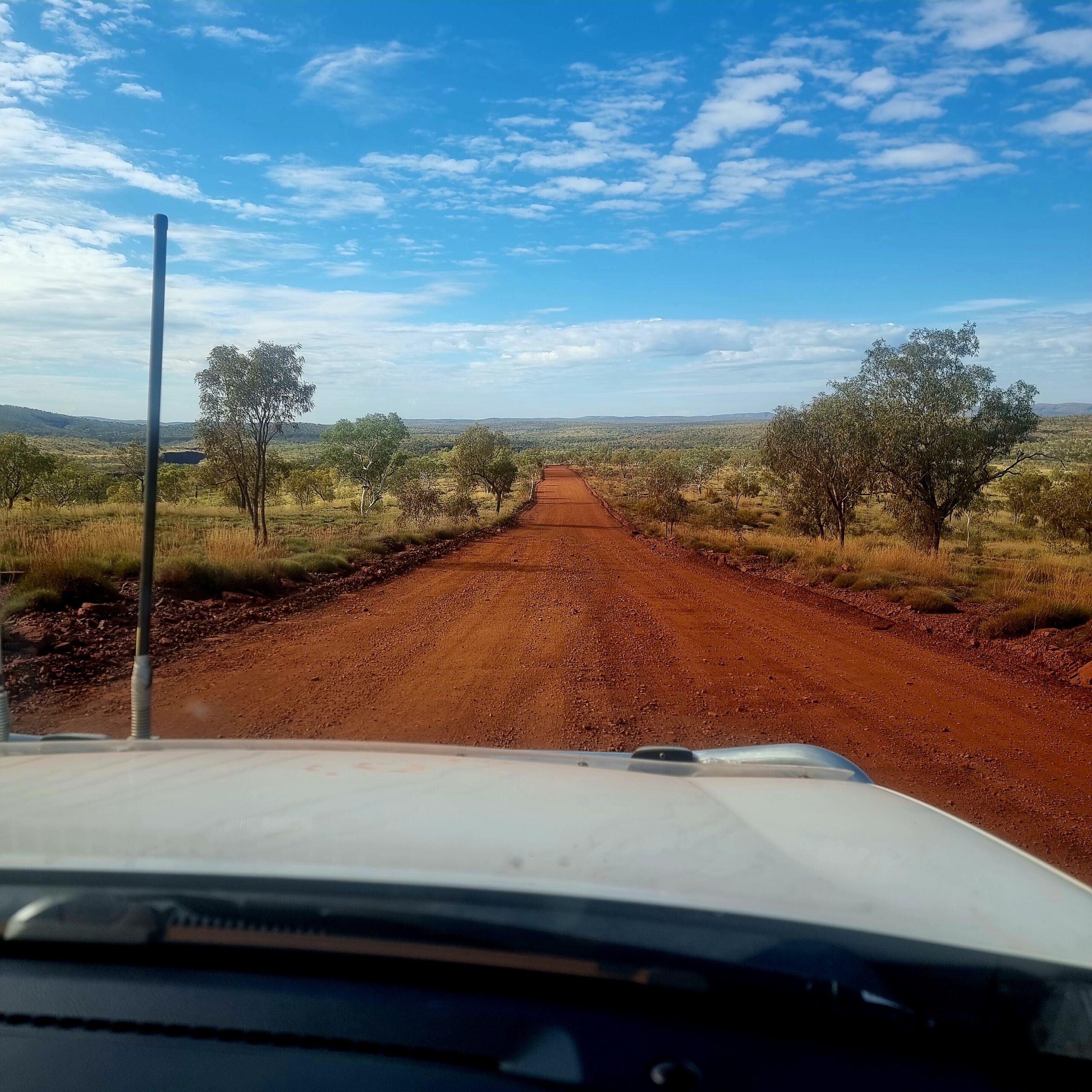
Karijini National Park, Pilbara
Outback Australia: Safety Tips & Survival Guide
Exploring Outback Australia in a 4WD is an unforgettable experience — but it’s not one to take lightly. With remote terrain, extreme weather, and long distances between help, preparation is everything. Whether you’re driving the Gibb River Road or crossing the Simpson Desert, these expert safety tips will help you survive — and enjoy — the adventure.
Cahills Crossing, Arnhem Land
Is It Safe to Drive a 4WD in Outback Australia?
Yes — if you’re properly prepared. The outback isn’t dangerous by default, but it becomes risky if you’re careless, underprepared, or unfamiliar with 4WD travel. Having the right vehicle, gear, knowledge, and respect for the land can make all the difference.
1. Respect Indigenous Lands and Communities
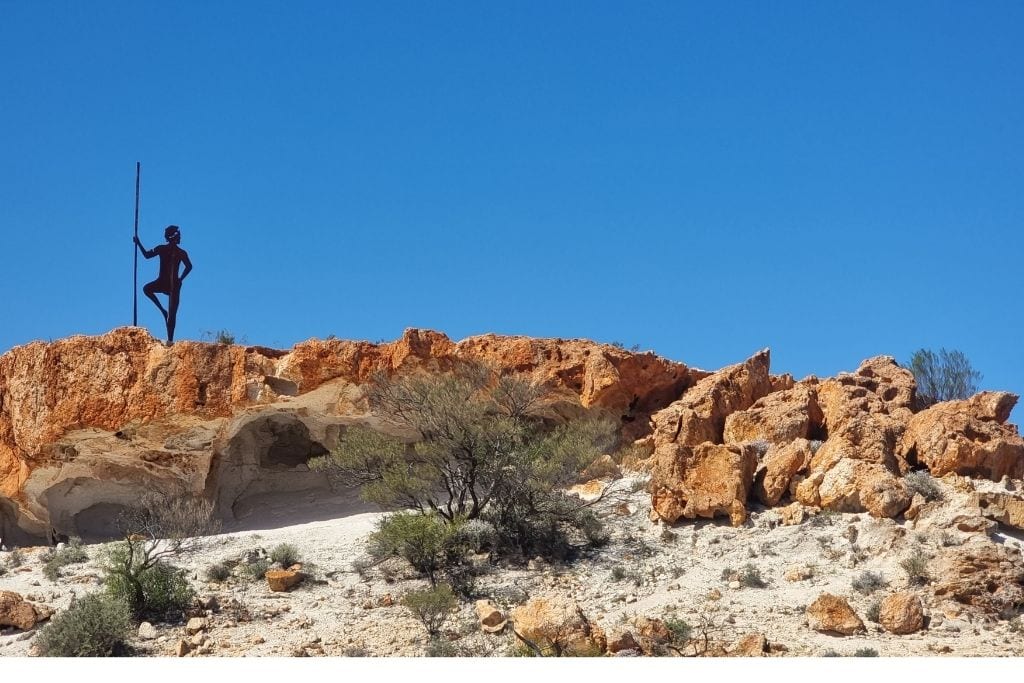
Badimia Granites, WA
Many remote areas in Australia are home to Indigenous communities with deep cultural and spiritual ties to the land. When travelling by 4WD, it’s important to show respect and follow local protocols. Always seek permission before entering private or sacred sites, and pay attention to signage, local guidance, and permit requirements.
Some areas — like Mitchell Plateau and Munurru (King Edward River) — require specific permits to enter and camp, even if you’re just passing through. These aren’t just formalities — they ensure visitors travel responsibly. The Gibb River Road, Arnham Land, McDonnell Ranges, Cape York, and the Canning Stock Route are just some of the areas you need to research before heading into them.
I have recently written a guide to the permits and passes required for travelling the Gibb River Road, as an example. National Park passes are your friend. 👉 Permits and Passes Required for the Gibb River Road
Respect the land by disposing of waste properly, staying on designated tracks, and not removing anything from cultural sites. If you’re ever unsure, stop by a local visitor centre or speak with community members to get guidance.
.
2. Know Your 4×4
Understand your vehicle inside and out — including how to engage 4WD, change a tyre, and recover from sand or mud. Don’t wing it.
Sometimes you will get dirty!
Your trusty vehicle is your lifeline on an epic remote road trip, so ensuring it’s in top-notch condition is an absolute must before hitting the road. Regular car servicing is part of my road-tripping routine. Even if you’re not a car whiz, like me, it’s crucial to grasp the basics. Know how to check your oil and fluid levels, clean your air filter, check your tyre pressures, and regularly monitor tyre wear & tear.
Dropping the tyre pressures in the Kimberleys WA. The road to Winjana Gorge and Tunnel Creek
3. Food & Water
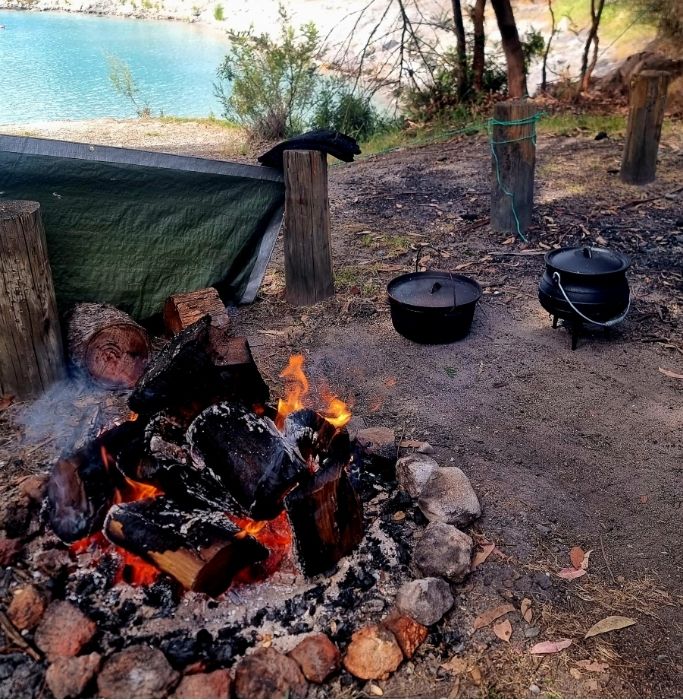
Getting the embers ready for camp ovens Stockton Dam
Carry at least 20L of water per person for your road trip. I take at least 40 litres of drinking water when I travel alone. Although sometimes I can stay remote for long periods, I am always well prepared. However, each person should take at least 20 litres.
I also carry a Sawyer squeeze water filtration system
Stock up on non-perishable food like canned goods, pasta, and long-life milk.
Rubbish—you must take all your rubbish with you when you travel. I have a rubbish carrier bag attached to my spare tyre. This keeps rubbish smells out of the car.
Pack a portable gas stove for cooking in remote areas.
4. Powering Your Gear in the Outback
Having a reliable power source is essential when travelling off-grid — especially to keep your fridge running, charge devices, and stay connected. Here are three common power options for different needs:
a. Phone-Only Power – Portable Battery Pack
If you’re just looking to charge phones or cameras, a USB battery pack is the easiest solution. Some models now offer 40,000mAh+ capacity and can recharge multiple devices. Great as a backup or for minimalist travellers.
b. Basic Setup – 12V Battery Box + Solar Panel
A 12V battery box paired with a solar panel is a simple and affordable way to power small appliances. These setups are great for short trips or minimal power use. They’re easy to set up and can keep a small fridge running, provided you have enough sun and battery capacity. Look for deep-cycle batteries and solar panels with a regulator to safely manage the charge.
C. Full Auxiliary Setup – Redarc BCDC Core + Inverter + Solar + Starlink
For more demanding power needs — like running a fridge, charging devices, lighting, and even staying connected off-grid — I personally run a dual battery system with a Redarc BCDC Core charger. It charges my 100Ah auxiliary battery using the alternator while driving, and solar panels when camped, automatically switching between the two.
My setup comfortably powers:
A 30-litre fridge (approx. 2.5–5 amps/hour depending on temperature and conditions)
My phone and LED lighting system
A 1000W Itech inverter for running small appliances like a blender and charging my computer
Solar panels for passive off-grid charging (Itech)
Starlink internet, powered via a Victron 12V to 30V DC converter with an Anderson plug or connected to Auxiliary. 👉 Starlink 12V Power Supply – Victron
The Redarc BCDC Core range is designed to work with smart alternators, ensuring your auxiliary battery receives a full, safe charge. It also prevents voltage drop across long cable runs — a must for remote touring. This system lets me stay fully powered and connected for days off-grid without worry.
5. Mosquito Awareness & Protection
Mosquitoes are common in the Outback, especially near water sources and during warmer months. Some carry diseases such as Ross River virus, Japanese Encephalitis, and Dengue fever. To minimise risks:
Wear lightweight, long-sleeved clothing.
Use DEET-based or natural repellents.
Sleep under a mosquito net if camping.
Avoid outdoor activities near stagnant water at dawn and dusk.
6. Sun and Environment
Wolfe Creek WA
Outback Australia can be brutally hot and unforgiving. Respect the environment by being sun-smart and prepared. Wear high-SPF sunscreen, a wide-brimmed hat, and long sleeves. Hydrate constantly — not just when you feel thirsty. UV exposure and heat exhaustion can creep up fast, especially during long days in the sun. Staying protected isn’t just about comfort — it’s about safety and survival.
7. First Aid Kit Essentials
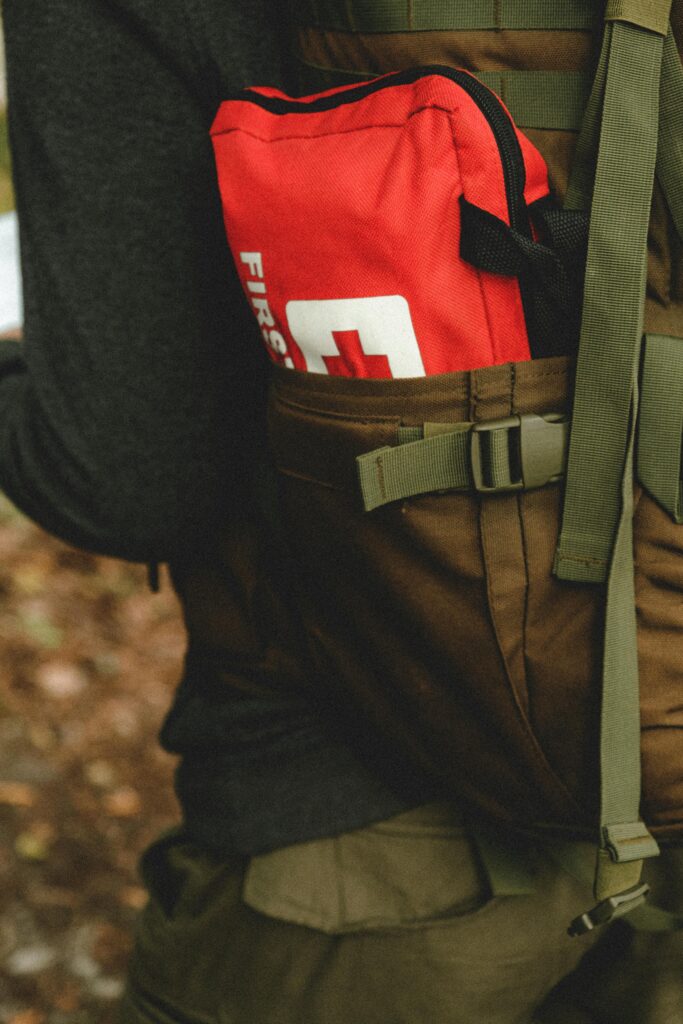
A well-equipped first aid kit is a must for any Outback road trip. This list is a guide based on Health Direct recommendations and should be tailored to individual needs. Always ensure you know how to use your first aid kit before an emergency arises.
Basic First Aid Kit:
Adhesive bandages (assorted sizes)
Sterile gauze pads and dressings
Antiseptic wipes and antiseptic solution
Adhesive tape
Scissors and tweezers
Disposable gloves
Digital thermometer
Pain relievers (e.g., paracetamol, ibuprofen)
Antihistamines for allergies
Burn gel or dressing
Wound closure strips
CPR face shield or mask
Additional Items for Camping, Car & Caravan:
Emergency blanket
Cold packs
Eye wash solution and eye pads
Snake bite bandage with indicator markers
Triangular bandages
Splints for immobilisation
Motion sickness tablets
Tweezers for removing splinters or ticks
Insect repellent
Sunscreen (high SPF)
Personal medications
First aid manual or reference guide
If You Have Children:
Infant and child-specific pain relievers
Digital thermometer for children
Oral rehydration salts
Child-friendly insect repellent
Additional adhesive bandages for minor cuts
Where to Keep Your First Aid Kit:
In the vehicle: Store in an easily accessible compartment
In the caravan or camper: Keep a second, well-stocked kit inside
On your person during hikes or remote activities: A small, portable kit with the basics
The start of the Gibb River Road
8. UHF Radio for Remote Travel
The Bungle Bungles Emergency Channels
UHF radios are essential in Outback Australia, where mobile coverage is unreliable. Travellers should be familiar with key channels:
Channel 10 – 4WD convoy coordination and national parks.
Channel 18 – Caravan and camper communications.
Channel 40 – Truck drivers and road conditions.
Channel 5 & 35 – Emergency channels (monitored in some areas).
Channel 11 – Call channel before switching to another frequency.
Staying on Channel 40 keeps you informed of road hazards and conditions from truck drivers who know the area well.
9. Staying Connected with Satellite Devices
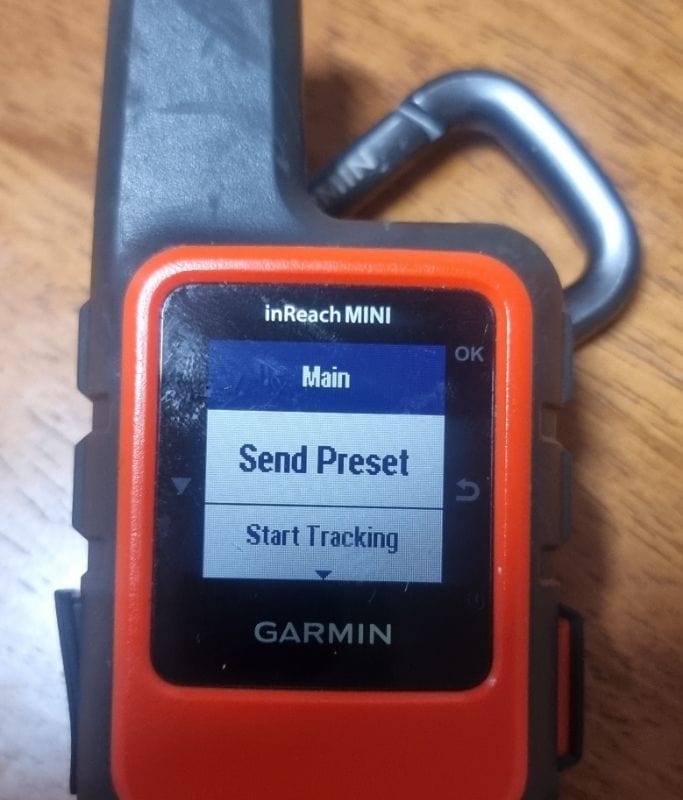
When out of range, satellite devices like the Garmin inReach Mini provide essential communication:
my Garmin device
Two-way global texting
SOS emergency alerts
Location sharing
Choosing the right plan is key. I use the Recreation plan (AUD 40/month) normall but upgrade to Expedition (AUD 75/month) in extremely remote areas. A satellite phone or personal locator beacon (PLB) is also recommended for added security.
Always keep communication devices charged and ensure they are working before setting out on any outback Australia adventure.
10. Cellular Coverage in Remote Areas
Mobile reception is unreliable. Roadhouses often have service, but not always. Telstra and Optus are the two main providers in remote areas. Coverage varies:
Gibb River Road – Mostly Optus coverage, with some Telstra access.
I have a Starlink mini, and I use the unlimited plan when I go remote. Yeah, it’s a wee bit expensive for setup, but it’s the only reliable internet out there. I post my blogs, so I need internet when I am in Remote Australia. It’s simple, it’s easy, and it works like a dream. Check out Starlink to get the right plan for you.
12. Spare Parts & Fluids
Having the right emergency gear is crucial for survival in the outback. Essential equipment includes:
13. Recovery Gear
Tow rope, snatch straps, shackles, and recovery tracks (MaxTrax or equivalent).
A jack and an appropriate base plate for soft ground. All cars come with a jack, or should, but know your way around how to use a jack and where it needs to be when changing a tyre.
At least 2 spare tyres
A reliable air compressor for tyre inflation and pressure adjustment. I have a King’s Thumper dual compressor. I have had it for 4 years and it works just fine.
A tyre repair kit, including plugs and a puncture repair tool.
A sturdy long-handled shovel for digging out tyres.
portable jump starter if your car battery goes flat
Extra fuses and radiator coolant.
Engine oil and transmission fluid.
Additional Jerry cans for fuel storage when covering long distances
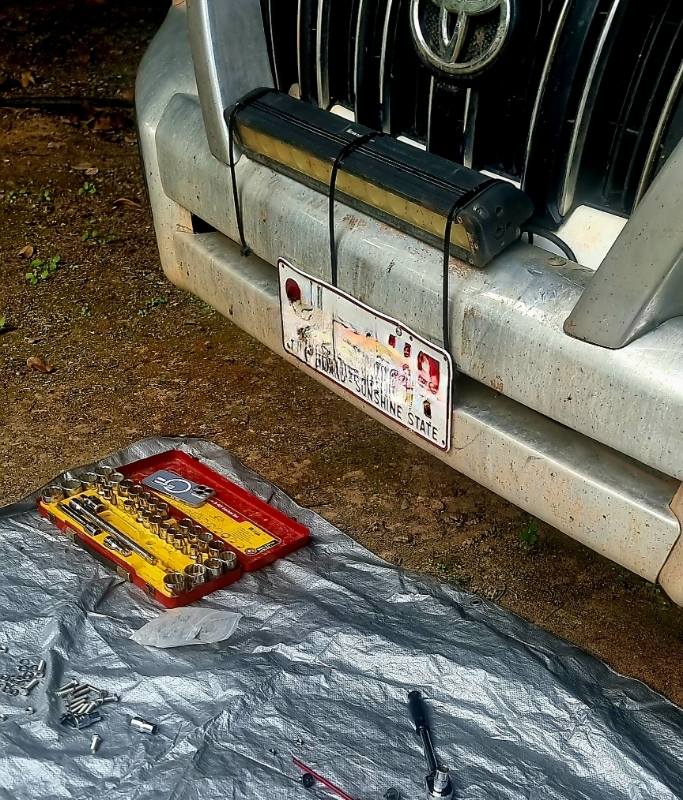
checking and tightening my bash plates after some heavy corrugation. Spotties held on by cable ties
This equipment is all redundant if you don’t know how to use it. Hence, the next section is super important.
14. Four-Wheel Drive Courses
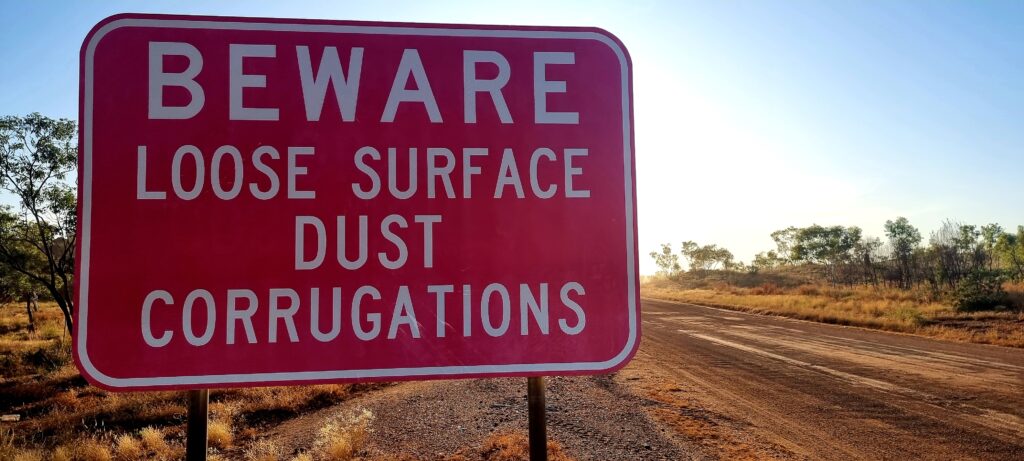
On the way to Palm Springs WA
If you’re behind the wheel of a 4×4 and you are travelling around Outback Australia, you will most definitely come across this sign or a sign like it. Then you have to figure out what to do next. If you are unsure, a four-wheel drive course is an absolute necessity. It’s not just about having the right vehicle; it’s about harnessing its full potential while staying safe as you navigate remote Australia.
Low4 Off Road
Low 4 Off Road in Mareeba offers several courses. I did a two-day course, and they even have Ladies-only Courses, which my friend Robyn raves about. You can spot her in the pink hat on their website. What a legend! This is where my 4×4 adventures began, as it gave me the confidence and knowledge to get started. If you want to begin, this is the perfect place.
My first 4×4 course at Low 4 Off-Road . This is where my real adventures in the Outback started
Navigating the terrain on the course
Mark Keogh Training
Mark Keogh Training in Newman is another fantastic option. It offers a great day of water crossings, emergency stops, vehicle checks, and more. Mark is an absolute gem.
Check out accredited 4×4 trainers in your area and prepare for a safe, unforgettable road trip. Remember, it’s all about keeping it real and staying safe.
15. Staying Safe when Driving in Remote Outback Australia
Speeding, distracted, and fatigued driving are the biggest killers on Australian roads.
The Longest Straight Road in Australia: WA
Embarking on an Outback Australia road trip promises breathtaking landscapes and unforgettable adventures. Still, it’s crucial to prioritise safety, especially when covering vast distances.
The expansive highways and long stretches between destinations can be deceivingly tiring, leading to potential safety hazards. Fatigue-related accidents are sadly not uncommon, with numerous incidents reported due to tired drivers on the road.
Over-sized loads are a regular occurrence in Remote Australia with farming and mining.
Additionally, speeding and distractions significantly increase the risk. Australia’s roads demand respect for speed limits and the avoidance of distractions, such as mobile phones or other in-car diversions. To combat these risks, incorporate these strategies into your road-tripping arsenal:
Plan your itinerary flexibly, allowing for spontaneous breaks and detours when needed.
Get your playlist sorted, or download your favourite podcasts in advance.
Stay prepared for long stretches without reception. There are often a few hours between signal coverage in the Outback, so get everything sorted while you can.
Recognise the signs of fatigue, such as drowsiness and decreased concentration, and make it a rule to stop and rest every two hours.
Utilise designated rest areas where you can refresh and recharge.
Be situationally aware of your surroundings. If your Spidey senses are on alert listen to them. Be smart. Don’t leave your keys in your car when you fill up for diesel, do not pick up hitchhikers.
Remember, the journey is just as important as the destination. Ensuring your safety by avoiding driving while tired, speeding, and other distractions is a non-negotiable part of the road-tripping experience in Australia.
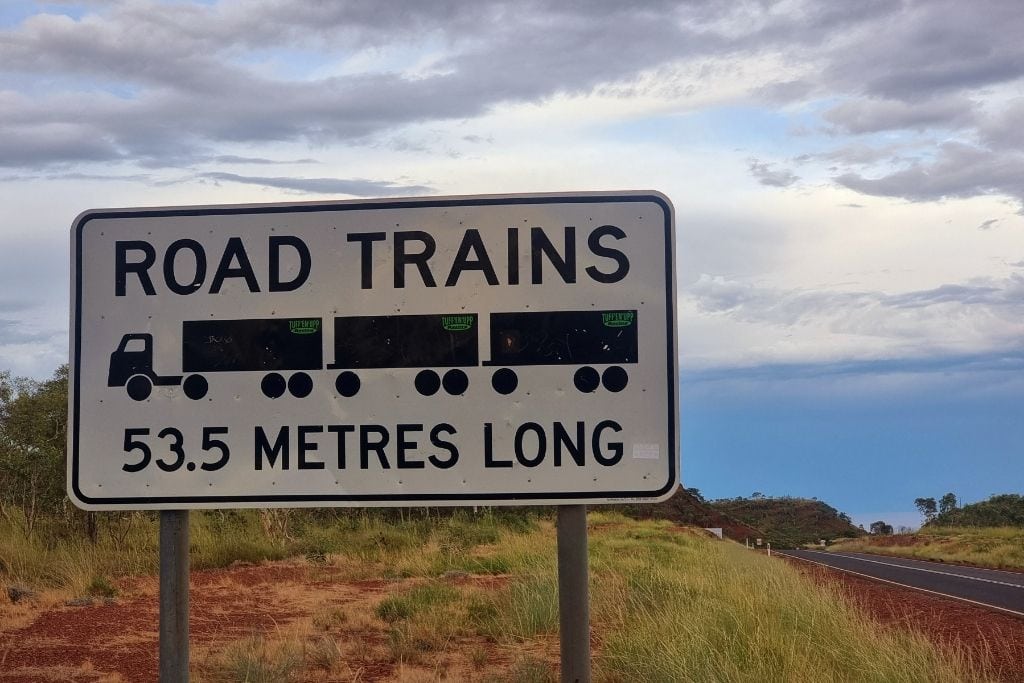
16. Road Trains: Sharing the Road Safely
Northern Territory – Stuart Highway
Road trains are massive trucks, often exceeding 50 meters (164 feet) in length with multiple trailers that frequent the outback Australia roads. Passing one requires caution and patience. Keep these safety tips in mind:
Be aware of their size – They take longer to stop and maneuver.
Give plenty of space – Do not tailgate; they create strong air currents.
Overtake carefully – Only do so on long, clear stretches of road.
Use UHF Channel 40 – Contact the driver before passing to confirm it’s safe.
Expect wind gusts – The air displacement can affect vehicle stability. When you follow a roadtrain in the wind sometimes they seem to wobble a lot.
Always respect road trains and be patient. Rushing a pass could be dangerous.
17. What to Do If You Break Down in Remote Australia
Outback QLD by Winton
In the event of a breakdown in the Outback, the golden rule is simple: STAY WITH YOUR CAR and BREATH, don’t panic. A vehicle is a much more visible and accessible landmark than a lone person on foot, making it easier for rescuers or passing travellers to locate you. Australia’s vast landscape makes search efforts challenging, so staying put increases your chances of being found quickly.
Stay calm you have got this!
Stay with your car – It provides shelter, supplies, and visibility.
Use your GPS or satellite phone – If you have a Garmin InReach Mini or another satellite device, send a message to trusted contacts or authorities with your exact location.
Ensure visibility – Pull over safely and use hazard lights, flags, or reflective markers to make your vehicle stand out.
Roadside assistance – If between towns and you have a satellite phone, contact your roadside service provider. Road side assistance sends out a mechanic extrordinaire to try and get you sorted. This only happens, up to 200kms from your nearest, provider If out of range, texting trusted friends via GPS can be a lifesaver.
When you pull over to the side of the road, ensure your vehicle is visible to passing traffic.
18. Fuel Planning
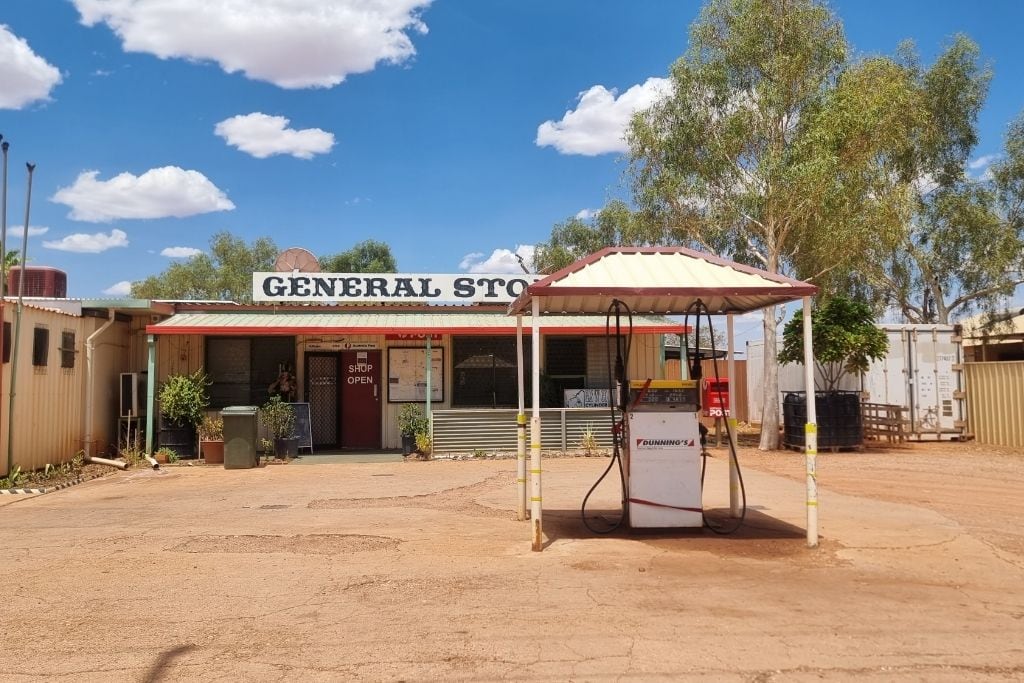
Nullagine, fuel station WA
Know your vehicle’s fuel type. Mistaking petrol (gasoline) for diesel can cause costly damage. Passengers should also be aware of the correct fuel. Don’t let a silly mistake ruin your road trip
Plan fuel stops in advance. In remote regions, there are few stations. Carrying extra fuel is an option, but proper planning often eliminates the need.
Be aware of supply disruptions. In July 2023, heavy rain on the Gibb River Road caused fuel shortages. Delays can happen, so stay patient and use the time to connect with fellow travellers.
Arnhem Land
Understand fuel efficiency. Knowing your vehicle’s consumption rate helps estimate fuel needs. Factors such as terrain, load weight, and driving habits affect usage. A 4×4 with heavy gear consumes more fuel than expected. Calculate the distance to the next refuel point and add a buffer.
Some locations may offer only petrol (gasoline) or diesel, while others may run out entirely. Larger roadhouses usually maintain stock, but don’t rely on them blindly. Check availability where possible.
Smart fuel management ensures a smoother, stress-free trip through the Outback.
Route Planning & Navigation
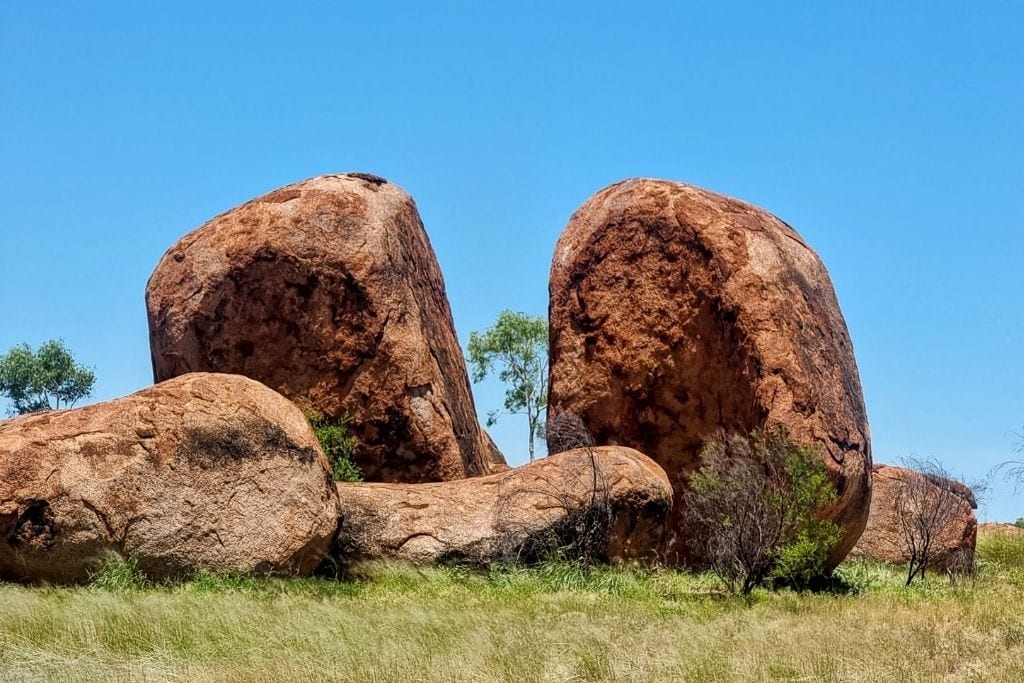
Devils Marbles along the Explorers Way
19. Any destination in your 4×4 is the Best
Laura Festival Cape York
One of the best things about exploring Australia in a 4WD is that almost anywhere you point your rig becomes an adventure. From rugged desert crossings to tropical river fords, the country is packed with routes that reward those willing to go off the beaten track. Whether you’re chasing remote beauty, cultural history, or just the thrill of the drive, here are some of the most iconic and unforgettable 4WD routes to consider for your trip.
Wet season (November–April in the north) – Roads may flood and become impassable. Never drive through floodwaters.
21. Tell Someone Where You Are
Always inform someone of your travel plans as Outback Australia gives you every opportunity to get lost! Whether for a weekend trip or a months-long expedition, letting others know your route ensures safety. Even spontaneous travellers, like myself, should have a basic itinerary shared with trusted contacts.
Australia’s vastness makes finding lost travellers difficult. A well-thought-out plan enhances safety and ensures authorities know where to look in an emergency.
22. Additional Safety Measures
South Australia by Anna Creek
Satellite phones – Ideal for emergency communication beyond mobile coverage.
Personal locator beacons (PLBs) – Expensive but invaluable for serious adventurers.
Emergency contacts – I have two trusted friends who track my location. Regular check-ins ensure my safety.
Paper maps – Always carry a physical backup in case technology fails. In Australia you can buy Hema Maps books that cover all of Australia. Very good investment
Australian Wildlife Encounters
23. Stay Alert on the Roads
Wildlife is most active at dawn and dusk, but animals can appear on the road at any time of day. Kangaroos, emus, and other native species often cross without warning, especially in low-light conditions. You’ll also commonly see cattle, camels, wild horses, and goats grazing or standing near the roadside — particularly in remote areas without fencing. Pay attention to wildlife warning signs, reduce your speed during high-risk times, and stay alert — hitting a large animal can be extremely dangerous for both you and the animal.
Several different animals appear on Australian Roads. Drive safely
24. Dangerous & Marine Wildlife
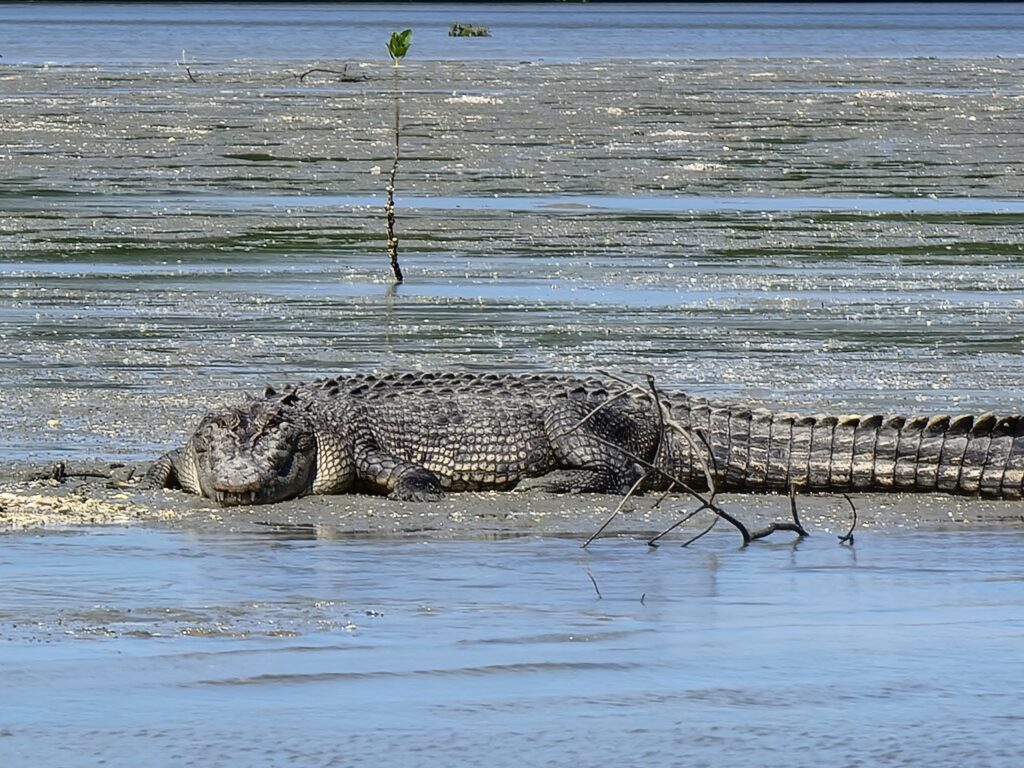
Croc Weipa, Far North Queensland
Crocodiles inhabit waterways in Western Australia, the Northern Territory, and Queensland. They are most active at night, especially during breeding season (September–April). Avoid swimming in unknown waters.
Box jellyfish and Irukandji are common in tropical waters from October to April. Always wear a stinger suit when swimming.
Fatigue can set in very quickly. Recognise the signs and pull over for a rest.
Ask locals or visit visitor centres for up-to-date wildlife safety advice.
Never approach or feed wildlife. They are unpredictable and can be dangerous.
Do not stop for selfies with wild animals.
Pay attention to road and beach signs.
Some beaches have jellyfish sting stations. Seek medical help immediately if stung.
25. Fire Restrictions
In summer, Australia can be extremely hot, dry, and prone to bushfires. Many outback regions impose fire bans or restrictions, especially during peak fire danger periods. Always check local alerts before lighting campfires, using gas cookers, or even parking over dry grass, which can ignite from a hot exhaust.
Following fire regulations is essential for protecting lives, landscapes, and wildlife. When unsure, assume that fires are not allowed and use alternatives, such as gas stoves, cautiously. Make sure not to extinguish cigarette butts on dry ground.
26. RFDS Emergency Airstrips on Outback Roads
In remote parts of Australia, stretches of highway are sometimes marked and used as emergency airstrips for the Royal Flying Doctor Service (RFDS) — Australia’s vital airborne medical service. These sections are clearly signed as RFDS emergency landing strips and may be used when there’s no other access to medical help. When a landing is required, emergency services will temporarily close the road, blocking traffic at both ends so the aircraft can land safely. If you see these signs while driving, be aware and always follow directions from police or emergency crews.
The Nullabor Road doubles as the RFDS landing strip
27. Border Crossings Within Australia
While there are no passport checks between Australian states or territories, there are strict biosecurity rules — especially when it comes to fruit, vegetables, honey, plants, and soil. These rules help prevent the spread of pests and diseases across regions. For example, you can’t bring fresh produce into Western Australia or South Australia from other states. Check for quarantine bins at border crossings and always declare restricted items if you’re unsure. To avoid fines (and wasting food), it’s best to consume or dispose of fresh goods before crossing, and double-check the rules on official state websites before you travel.
Quarantine stop at Border Town WA/SA
The Quarantine Officers search your car, fridge, or caravan, truck before heading into some states. I try and eat everything before I have to give it up. There are bins before you get here so ensure you drop any items, rubbish before the border
The Verdict
Outback Australia is a land of wonder and adventure, but exploring it like a pro, careful planning, and knowing where you are going is essential for any successful road trip.
With proper preparation and an understanding of the Outback’s diverse landscapes and challenges, you can embark on a journey of a lifetime. Embrace this incredible continent’s natural beauty, unique wildlife, and rich culture. Let it leave an indelible mark on your heart.
Ensuring your safety on the road is paramount, and these practical tips can go a long way in making your journeys secure and enjoyable.
Remember to subscribe to my newsletter so you can keep up to date on my new posts 🙂