Navigating Snakes Safely when Travelling in Australia
Navigating Deadly Snakes in Australia: Unveiling the Realities
If you’re planning to explore Australia—especially the Outback or tropical north—here’s something to know: Australia is home to some of the world’s most venomous snakes. If you’re from a snake-free place like me (hello from New Zealand), that can sound terrifying.
But fear doesn’t need to stop you.
Hi, I’m Vicki. I’m a solo traveller and Outback road-tripper. Since 2016, I’ve been travelling across Australia in my 4WD. I write The Insightful Odyssey, a travel blog full of real tips, stories, and advice.
In this post, I’ll share:
- What snakes might you see
- What to do if you come across one
- How I manage snake safety while hiking or camping
- And why respect matters more than fear
This guide is based on my time in Far North Queensland, the NT, and Outback WA. It’s part of my broader Travel Tips and Solo Women Travellers series.
If you’re heading bush—or just want peace of mind—this post will help you stay calm, aware, and prepared.
My Introduction to Snakes
Coming from New Zealand, where snakes don’t exist, arriving in Australia felt like stepping into a different world. The fear was real at first—blame it on movies and headlines that always paint snakes as the villains.
But once I hit the road and started exploring the Outback and Far North, reality set in. Snakes aren’t out to get you. They’re not lurking behind every bush. They’re just part of the landscape—fascinating, shy, and essential to the ecosystem.
After years on the road, snakes are no longer on my fear list. I’ve learned to respect them, stay aware, and move through their world without panic. Caution is smart—but fear doesn’t have to take over.
If you’re new to all this, take a breath. You don’t have to love snakes, but you can travel safely and confidently knowing the facts. Let’s break it down.
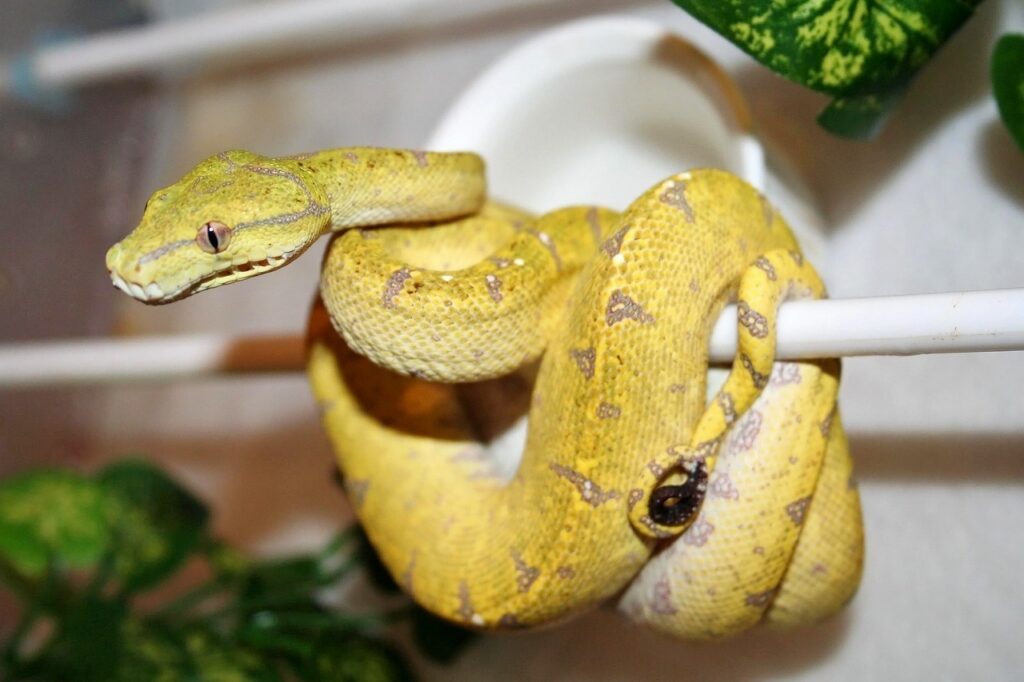
Australia is home to some of the world’s most venomous snakes. Let’s start with a quick fact: Of the top 25 deadliest snakes in the world, 21 are found in Australia. Sounds scary?
Here’s another fact: You’re more likely to be hit by lightning than die from a snakebite in Australia.
This post is about equipping you with knowledge for safe exploration. Here are some tips to help you peacefully coexist.
Firstly, awareness is key. Not all snakes are dangerous; many are harmless and beneficial as they control pests like rats and mice. Upon saying that, treat all snakes as poisonous.
Snakes are protected in Australia by law and cannot be harmed unless it is life threatening.
Not all snakes are poisonous but treat ALL snakes as poisonous.
This is a life lesson and rule number one.
I was around Townsville in North Queensland in 2018 when a man was killed by a snake bite. I was also in Far North Queensland when a banana farm worker died from a snake bite. In both cases, they did not treat the snake as poisonous.
Always treat a snake bite as poisonous.
This is another life lesson and rule number 2.
Snakes do not only live in the Outback of Australia they live everywhere in Australia including the cities. Be vigilant.
What to do if a snake comes toward you?
Stay Still if You Encounter a Snake: If you encounter a snake, remain calm and still. Most snakes are not aggressive and will move away if given space. Back away slowly to create a safe distance.
Carry a Snake Bite Kit: A snake bite kit is not a substitute for professional medical help. However, it can be useful in emergencies. Ensure you know how to use it and seek medical assistance promptly. The emergency number in Australia is triple zero 000.
Know First Aid: Familiarise yourself with basic first aid for snake bites. This includes immobilising the bitten limb, staying calm, and seeking immediate medical attention. I personally carry 2 snake kits. One is in my car, and one is in my backpack for hiking.
Stay Snake Safe
Stay on Designated Paths: Stick to marked trails and paths, especially in natural reserves and wilderness areas. This reduces the likelihood of stumbling upon snakes in tall grass or hidden spots.
Wear Appropriate Footwear: closed shoes or boots when venturing out. This provides an added layer of protection against potential bites.
Be Cautious in Tall Grass: Walk carefully through grassy areas. Take deliberate steps. Create vibrations to make your presence known. This can alert snakes to your approach, allowing them to move away.
Avoid Rock Piles and Crevices: Snakes often seek shelter in rocky areas. Be cautious when navigating through rocks, and avoid reaching into crevices where a snake might be hiding.
Use a Torch at Night: If you’re exploring after dark, use a torch to illuminate your path. This helps you see potential hazards and deter snakes, as they may avoid well-lit areas.
Close your tent: Don’t leave your tent or swag open. Zip up when you leave and check your shoes if you leave them outside. I have even seen a snake curled up at the bottom of a public toilet!
Keep Campsites Clean: Snakes are attracted to food scraps and leftovers. Ensure your campsite is clean, disposing of waste properly to avoid attracting wildlife, including snakes.
Learn About Local Species: Familiarise yourself with the types of snakes in the specific regions you’ll visit. This knowledge can help you identify potential threats and understand their habitats.
Verdict
My fellow explorers, lace up your boots. Shine a light on the path ahead. Embrace the wild wonders of Australia. With knowledge as your guide, let’s make your Aussie journey not only memorable but also snake safe.
Cheers to embracing the Australian Outback with caution and curiosity. Travel well