
Australian Wildlife Safety Tips: 5 Smart Travel Rules
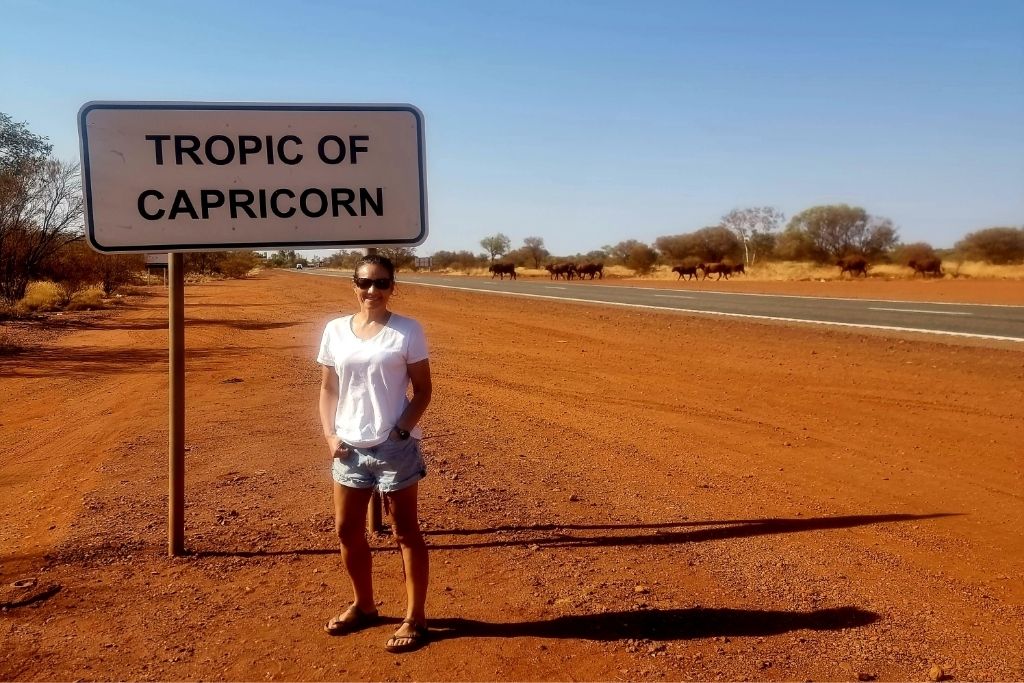
Hi, I’m Vicki—the solo traveller behind The Insightful Odyssey. I’ve been exploring Australia solo since 2017, covering remote regions, national parks, and Outback tracks in my 4WD. As a long-time traveller, trained nurse, and advocate for sustainable travel, I share practical, experience-based advice to help others explore this country safely and confidently. Check out my 5 Tips on Navigating the world alone.
Australia’s wildlife is wild in the best sense of the word. From rain forest tracks to Outback dirt roads, I’ve spent years exploring this country solo—and it never gets old. If you’re here to see kangaroos in the wild, snorkel the reef, or wander through national parks, this guide will help you do it safely and responsibly.


Congrats, too, if you’ve chosen the road less travelled. Swapping city crowds for remote regions is exactly where I feel most at home—and where Australia really shines. The landscapes are vast, raw, and unforgettable. But they also come with a few realities—especially when it comes to the creatures that call this country home.
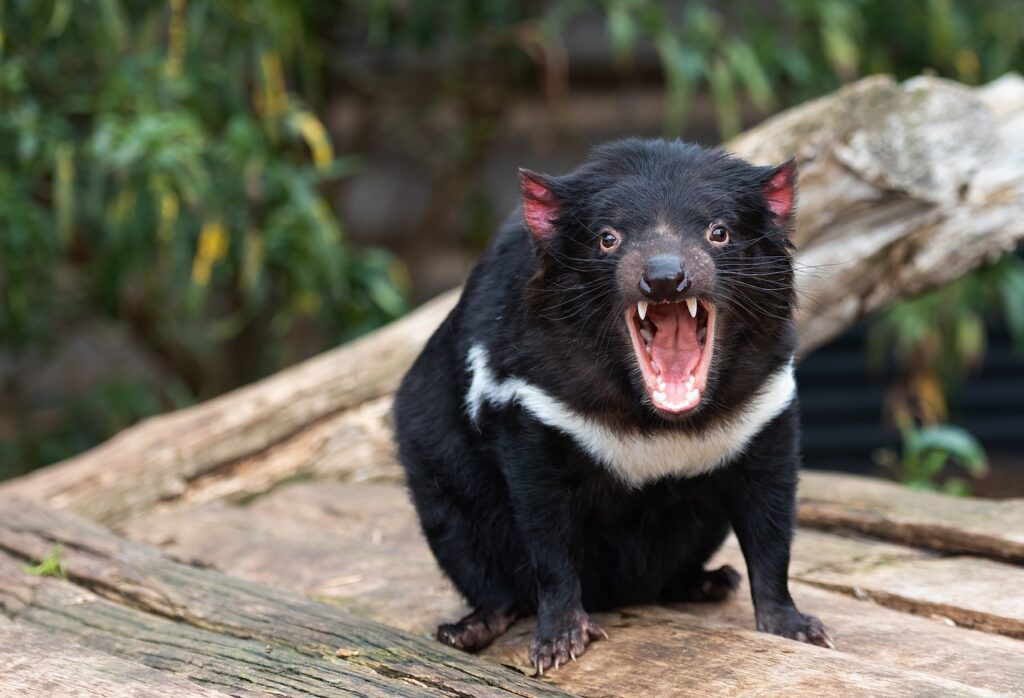
1. Australian Outback animal safety
In Australia, it is illegal to feed wild animals for several crucial reasons. You can be fined up to $20,000 in some states if you are caught.
Feeding wildlife might seem harmless, even kind—but it can do real damage. Human food throws off their natural diet, can cause health issues, and makes them dependent on handouts. It also changes their behaviour—bringing them closer to roads, campsites, and people. That’s when things go wrong.

I was camping in Karijini National Park when I saw someone feeding dingo’s at a campsite. Two weeks later, a child was mauled. That dingo was shot. When rangers and signs say “don’t feed the wildlife,” it’s not just box-ticking—it’s based on real incidents.
So be smart. Keep your distance. Don’t feed them. There are dangerous animals in Australia!!
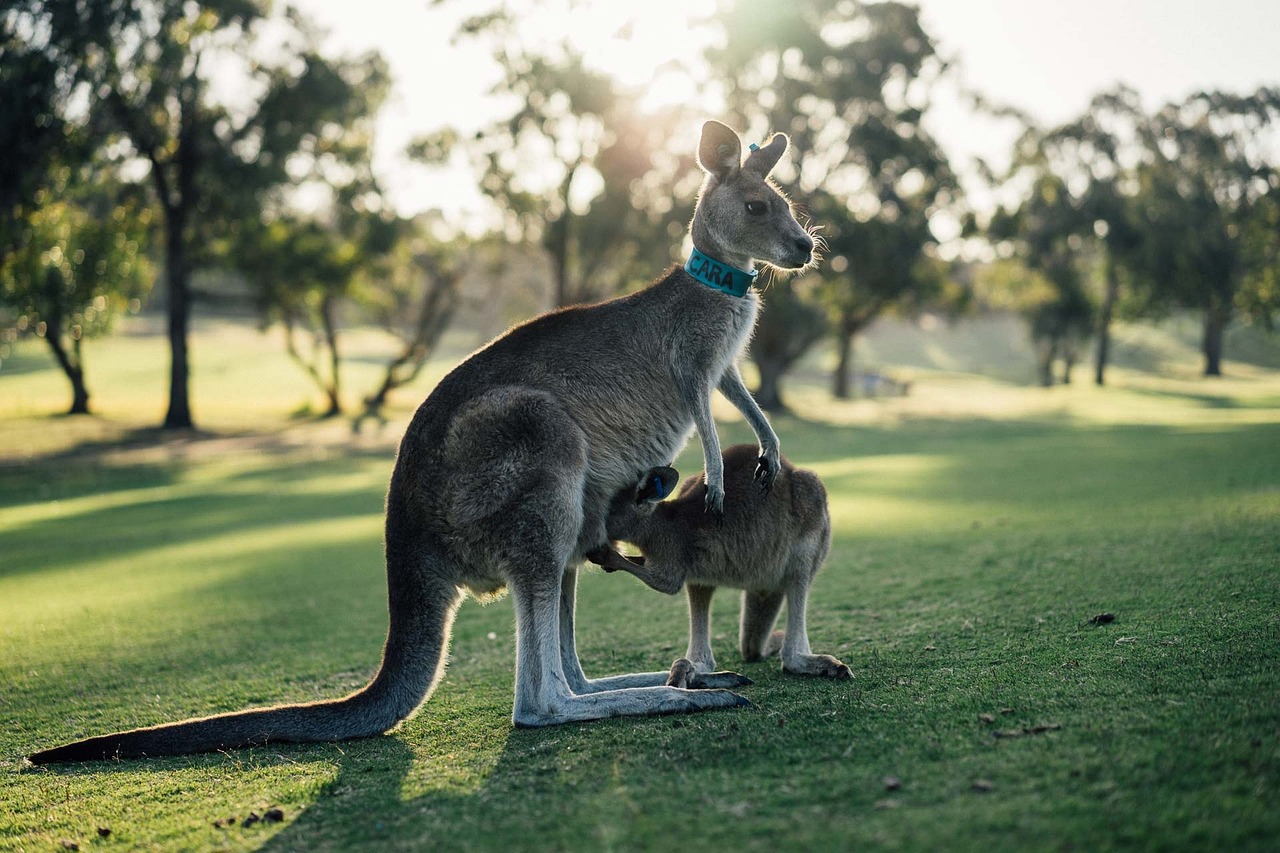
Koalas have claws, kangaroos can land a serious kick or punch, and cassowaries? You don’t want to be anywhere near one of these.
Admire from afar, and let wild animals stay wild.
Australia’s ecosystems have evolved over millions of years, and even well-meaning interference can throw things off. Feeding wildlife, disturbing habitats, or changing animal behaviour—even unintentionally—can have serious ripple effects.
Letting animals find their own food and respecting their space helps keep the natural balance intact and protects the biodiversity that makes this country so special.
Animals in the outback are wild. They know how to survive. Don’t feed the animals!
2. Outback Driving: Wildlife Safety
I have written a previous post on road tripping in 10 Road Trip Basics for Outback Australia. Read this post for a more comprehensive insight into road tripping in Australia.
The Best time to Travel
The golden rule is to avoid driving between dusk and dawn. These are peak activity times for wildlife, particularly kangaroos and wallabies who can cause significant damage if they collide with your vehicle. Instead, opt for daytime travel when visibility is optimal and nocturnal animals are less active.
Dip Your Lights at Night
When travelling at night, dip your lights when you approach an animal. A high beam may startle animals, so it’s essential to minimise any potential hazards.
Brake, Do not SWERVE
If you encounter wildlife on the road, resist the instinct to swerve. Instead, slow down and brake, maintaining control of your vehicle. Sudden swerving can lead to loss of control, posing risks to you and other drivers. Sometimes it is just not possible to miss an animal.
Always remember your safety is paramount. Be vigilant, drive within the speed limits, use your peripheral vision, and drive within the recommended times.
Read the signs


AAMI, an insurance company in Australia, has identified the Top Five Animal Collision Hot Spots in each state in Australia. There are road signs everywhere. These are very helpful in advising of what to expect ahead. Throughout the country these change due to the different regions where the animals live. The actual signs themselves are great advising of echnida, emu, camels, quokkas’, roos, eagles and many many more.
3. How to Stay Safe around Australian Wildlife
Kangaroos & Wallabies – The Iconic Aussies

Kangaroos and wallabies are synonymous with Australia but can pose risks on roads due to their unpredictable hopping patterns. These icons are most active between dusk and dawn; that’s when you may encounter them hopping into your path. If you spot one while driving, slow down immediately, as they often travel in groups.
Dingoes
Dingoes, Australia’s native wild dogs, have roamed the continent for thousands of years. They’ve adapted to everything from deserts to forests and play an important role in the ecosystem. While they’re usually shy around people, recent incidents have raised concern—two children were attacked while camping in the Pilbara in 2023, and there have been several attacks on K’gari in recent years.
Authorities urge people to act responsibly in dingo country: store food securely, don’t feed them, and avoid close interaction. It’s about respect for wildlife, for safety, and for the balance between conservation and common sense.
Goats on the Road
While driving from Goondiwindi on the Southern border of Queensland to Cobar in New South Wales, I encountered several goats grazing on the side of the road. I naturally slowed down and luckily I did as some of them decided to meander onto the road. Take it slow, enjoy the scenery, and give these outback wanderers the right of way.
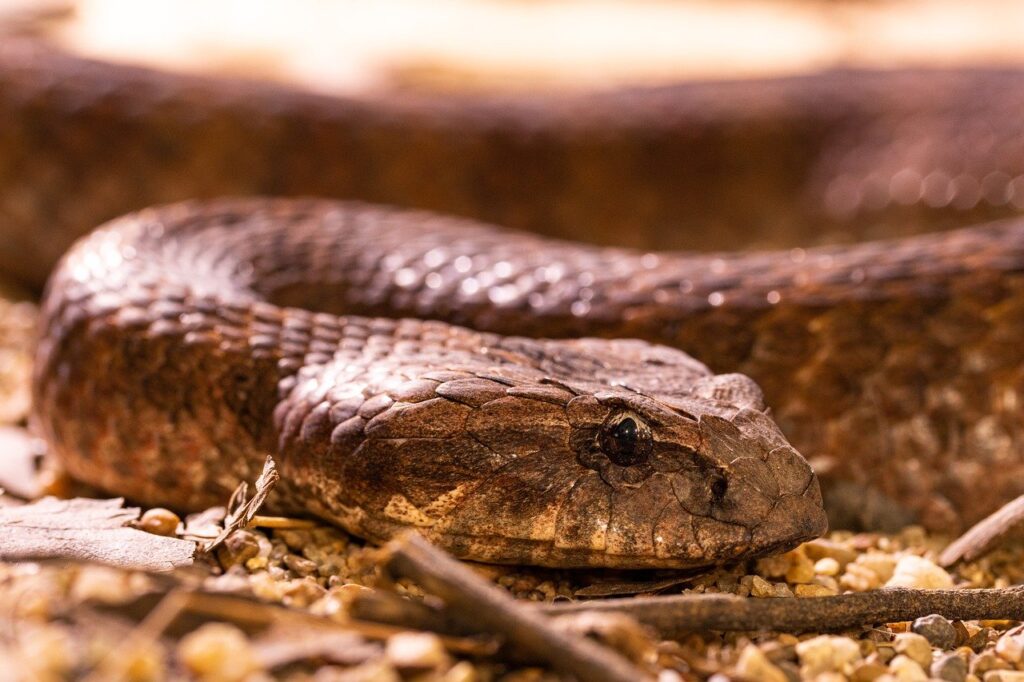
Snakes
I have written a post on snakes and this will give you a comprehensive insight.
Snake Safety Tips:
- Awareness is Key:
- Not all snakes are dangerous; treat all as potentially poisonous.
- Stick to Designated Paths:
- Stay on marked trails to avoid stumbling upon snakes in tall grass.
- Wear Closed Footwear:
- Use closed shoes or boots to add a layer of protection against potential snake bites.
- Cautious in Tall Grass:
- Take deliberate steps in grassy areas, making your presence known to alert snakes.
- Avoid Rocky Areas:
- Exercise caution around rock piles and crevices where snakes may seek shelter.
- Use Torch at Night:
- Illuminate your path with a torch when exploring after dark to deter snakes.
- Keep Campsites Clean:
- Dispose of waste properly to avoid attracting snakes with food scraps.
- Learn Local Species:
- Familiarise yourself with regional snake species to identify potential threats.
- Stay Still if Encountering a Snake:
- Remain calm and still if you encounter a snake; back away slowly to create a safe distance.
- Carry Snake Bite Kit:
- Keep a snake bite kit in your car and backpack, knowing how to use it in emergencies.
- Know First Aid:
- Learn basic first aid for snake bites, including immobilizing the bitten limb and seeking prompt medical attention.
Emus, Cows, and Bulls – The Roadside Regulars
Emus are notorious for their unpredictable behavior. They can sprint at high speeds and change direction suddenly, making them a hazard on roads. Similarly, cows and bulls often wander onto outback roads. Always approach with caution and be prepared to stop if they decide to cross your path. Cows and bulls roam freely on several outback stations. This means there are no fences.
Cassowaries

Cassowaries are native to far north Queensland rainforests and are known for their striking appearance but can be dangerous if threatened due to their powerful kicks and deadly claws. Treat them with respect, keep a safe distance, and appreciate these incredible creatures in their natural habitat.
The cassowary is no ordinary bird. Standing up to 6 feet tall and adorned with a striking helmet-like casque on its head, it’s a sight that commands awe and respect. With their vibrant blue necks and piercing red eyes, they are as mesmerizing as they are intimidating.
If you’re lucky enough to spot one, maintain a safe distance and never feed or provoke them.
To spot a Cassowary head up to the Cassowary Coast and stay at Mission Beach. Lovely spot and I will do a review on it shortly. This is where I saw my first Cassowary on the road. I have since seen one on the Cardwell Range, a beautiful blue male with two chicks.
The Wedge-Tailed Eagle
One of the most magnificent animals that I encountered while traveling in the Kimberleys was the wedge-tailed eagle, the Majestic Ruler of the Kimberley Skies. With its impressive wingspan stretching up to 2.7 meters, it is Australia’s largest bird of prey and an undisputed ruler of the skies.
The Wedge-Tailed Eagle’s grandeur is not just limited to its size. It boasts a striking dark brown plumage, and its distinctive wedge-shaped tail, from which it derives its name, adds an extra touch of elegance to this magnificent creature. One moment they’re mere specks in distant horizons; the next moment they swoop down with astonishing speed, their broad wings casting gigantic shadows over sun-drenched terrains.
But when they land, they’re kinda slow to take off again. While cruising between Halls Creek and Warmun I encountered this wedge-tailed eagle devouring on roadkill right in the middle of the road. As I come over the rise, this magnificent bird glances up and slowly, I mean snail-paced slow, starts spreading its wings. I had all the time in the world to hit the brakes and admire that eagle taking off. Just goes to show, some things, even in nature, take their sweet time. So, no rush, take it easy.
Crocodile Safety: Salties vs Freshies


In the north of Australia, especially the Top End and Kimberley, you’re in crocodile territory.
Saltwater crocodiles (salties) are aggressive, territorial, and dangerous. Despite the name, they live in both salt and freshwater—coastal rivers, billabongs, and creeks. They’re stealthy and strike without warning. Never swim or stand near water edges unless a sign says it’s safe.
Freshwater crocodiles (freshies) are smaller and generally shy, but they will defend themselves if cornered. Give them space and don’t attempt to wade near them.
Key tips:
- Never swim in unmarked waterholes or rivers.
- Camp at least 50 metres from the water’s edge.
- Don’t clean fish or wash dishes near the water.
- Obey all signage—if it says no swimming, it means it.
Travelling remote? Sites like Punamii-Uunpuu (Mitchell Falls) are croc country. Check out my full Mitchell Falls FAQ guide for specific safety info.
General Wildlife Safety Tips:
For a smooth journey through the Aussie wild:
Stick to daylight hours for driving, visibility is key.
Do not swerve if you encounter wildlife.
Brush up on wildlife hotspots in each region; locals always have the inside scoop.
Respect the locals – both the two-legged and the four-legged ones.
Read the road signs. In Australia they warn you what to expect.
4. Essential Tips for Camping and Hiking in Australia
As an adventurer, you’re always seeking new horizons. And there’s no better place to explore than the breathtaking landscapes of Australia. But before you lace up your boots and strap on your backpack, it’s crucial to prepare for the unique challenges that come with hiking and camping Down Under.
Store Food Strategically
In Australia’s great outdoors, food isn’t just attractive to humans; it’s also tempting for wildlife. Think of your food supplies as precious cargo. If left unprotected, they become easy pickings for opportunistic creatures.
I keep all my food and rubbish in the car overnight. This keeps them out of reach from curious animals while preserving nature’s balance by not altering their feeding habits.
They do look like domesticated dogs but they are actually wild dogs. I have come across dingo’s on several occasions in the outback especially in the Pilbara and the Kimberley regions. Once I heard them outside my swag and that freaked me out a wee bit.
Store Food Strategically
Australia’s trails are designed not only for convenience but also for safety and environmental preservation. Straying off these paths is NOT recommended.
Stay on marked trails at all times; this minimizes risks such as getting lost or encountering harmful plants or animals while protecting delicate ecosystems from unnecessary disturbance.
Stay Alert
Australia’s wilderness is home to some unique wildlife. Some are beautiful; others can be dangerous if disturbed or threatened.
Stay vigilant on your hikes for potential threats, keep your eyes open and respect all creatures you encounter from a safe distance.
Remember, you’re visiting their home!
Wear Appropriate Clothes
When venturing into Australia’s bush opt for long pants and sturdy shoes as your go-to gear to ensure a layer of protection against potential bites and stings. Long pants guard against any unexpected encounters with vegetation or critters. Sturdy shoes, with closed toes, offer additional defense, preventing bites from ground-dwelling insects or the possibility of stepping on something unexpected.
This simple yet effective wardrobe choice not only adds a layer of safety but also allows you to confidently explore the great outdoors without the worry of unwelcome surprises. So, gear up, step out, and let the adventure begin, well-prepared and protected!
Wear Appropriate Clothes
If you are camping, remember to close the zips on your tents and swags and close the doors to prevent unwanted critters from entering your space.
It’s the little things that will make your adventures safe.
5. Mosquitos
Not all wildlife are physically large. In Australia, mosquitoes are a huge health risk. Understanding their habits and the associated risks is crucial for a safe outdoor experience. Mosquitoes thrive in various environments, particularly in stagnant water like swamps, creeks, rivers, coastal areas and billabongs.
In Australia, certain species carry potential health risks, transmitting diseases like the Ross River virus, Japanese encephalitis, and Murray Valley encephalitis. To minimize the risk of mosquito-borne viruses, consider the following precautions:
- Use Repellent: Apply insect repellent containing DEET or picaridin to exposed skin, especially during dawn and dusk when mosquitoes are most active.
- Wear Protective Clothing: Opt for long sleeves, pants, and closed shoes to reduce exposed skin and provide an effective barrier against mosquito bites.
- Avoid Peak Mosquito Times: Mosquitoes are most active during dawn and dusk, so plan outdoor activities accordingly to minimize exposure.
- Install Screens: Ensure windows and doors are fitted with screens to keep mosquitoes outside while still allowing fresh air indoors.
- Remove Standing Water: Eliminate stagnant water around your living area, as it serves as a breeding ground for mosquitoes. Regularly check and empty containers like flowerpots, bird baths, and gutters.k
- Use Mosquito Nets: When camping or sleeping outdoors, consider using mosquito nets to create a physical barrier and protect against nighttime bites.
- Vaccination: there is a vaccine for Japanese encephalitis so ask your doctor or travel nurse
By incorporating these measures into your routine, you can significantly reduce the risk of mosquito-borne viruses and enjoy the Australian outdoors more safely.
🐾 Australian Wildlife Safety FAQs
Is it safe to camp in the Australian Outback?
Yes, if you’re prepared. Stick to designated campsites, store food properly, check for animal tracks, and never walk barefoot at night.
What animals should I be most cautious of in Australia?
Saltwater crocodiles, snakes, spiders, and dingoes can be dangerous if provoked or surprised. Most are avoidable with basic awareness and distance.
How do I stay safe around snakes in Australia?
Wear boots and long pants in bush areas. Don’t reach into holes or under rocks. If bitten, apply pressure, immobilise, and seek help immediately.
Can I swim safely in rivers and waterholes?
Only swim where it’s clearly signed safe from crocodiles. If there’s no sign, don’t risk it. Crocs are stealthy and territorial.
Are spiders and insects a real danger?
Most are harmless. Use insect repellent, check shoes before putting them on, and shake out bedding when camping. Don’t poke around in wood piles.
Conclusion
Remember that each encounter with Australia’s unique wildlife is a privilege—an opportunity to witness nature’s beauty up close. With these tips in mind, you’re ready for a safe progress through the wild side of Australia! Safe travels, fellow wanderer!
You may also be interested in: