Solo Female Travellers Series
Thinking about solo travel? You’re in the right place.
This post is for the woman on the edge of going solo. Whether it’s 4x4ing, hiking, backpacking, or exploring a city—this is where it begins.
This isn’t about being fearless. It’s just about doing it.
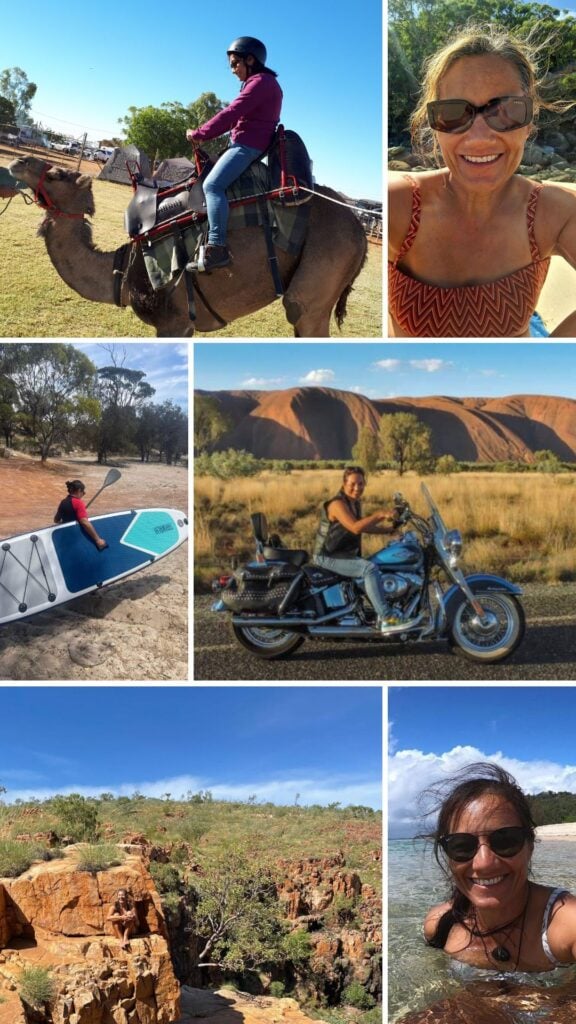
I started solo travel in Australia in a Hyundai Active X—a small two-wheel drive hatchback. One day, I decided the Boulia Camel Races sounded like a grand idea. Boulia is a tiny Outback town in far western Queensland, on the edge of the Simpson Desert. It’s remote, dry, and red-dirt beautiful.
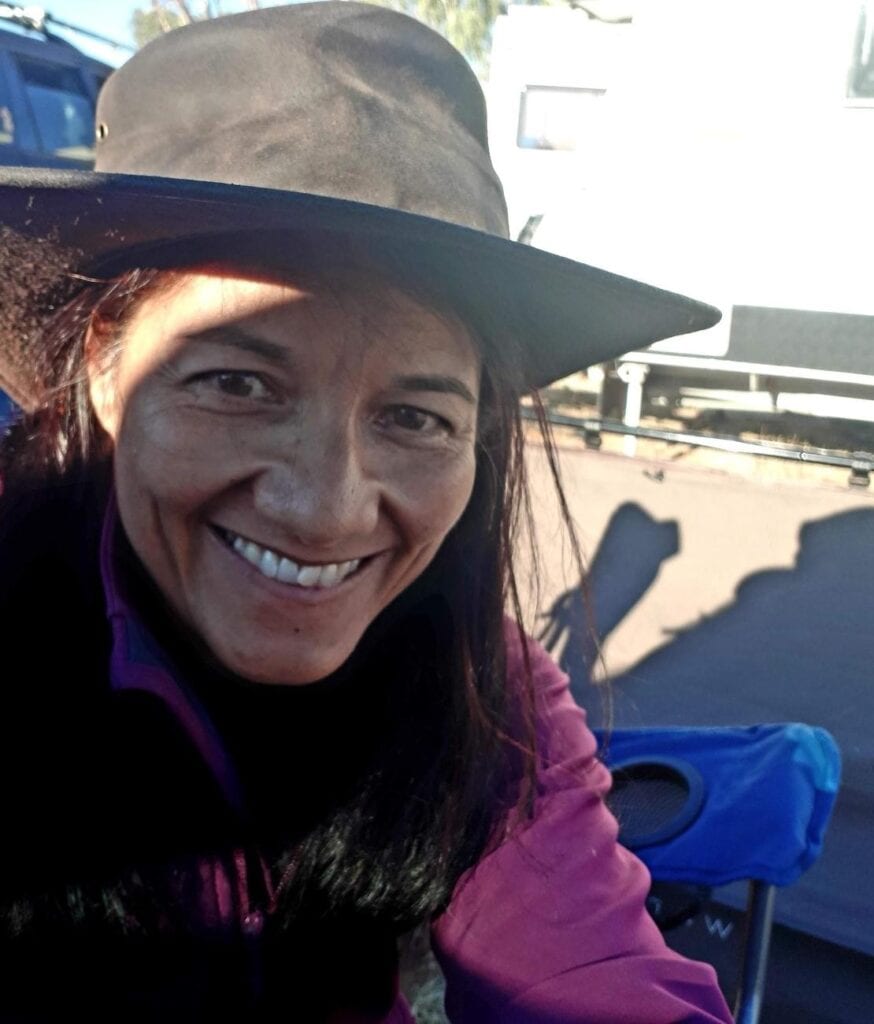
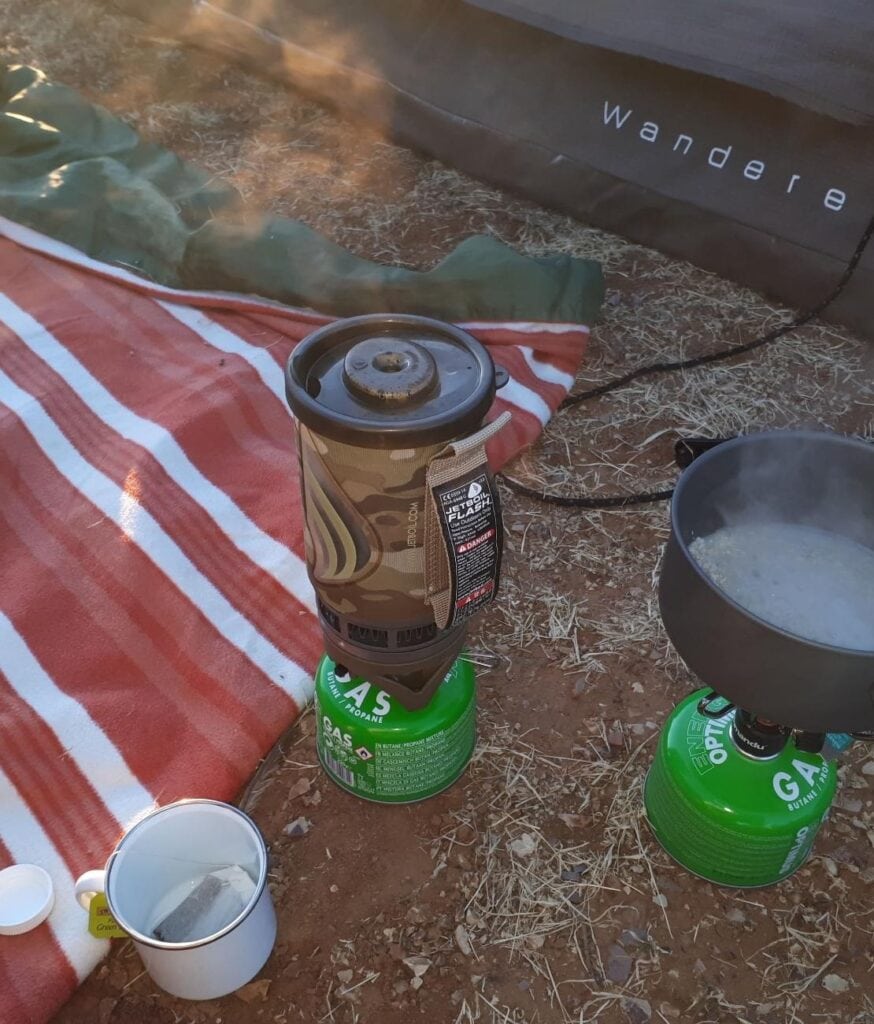
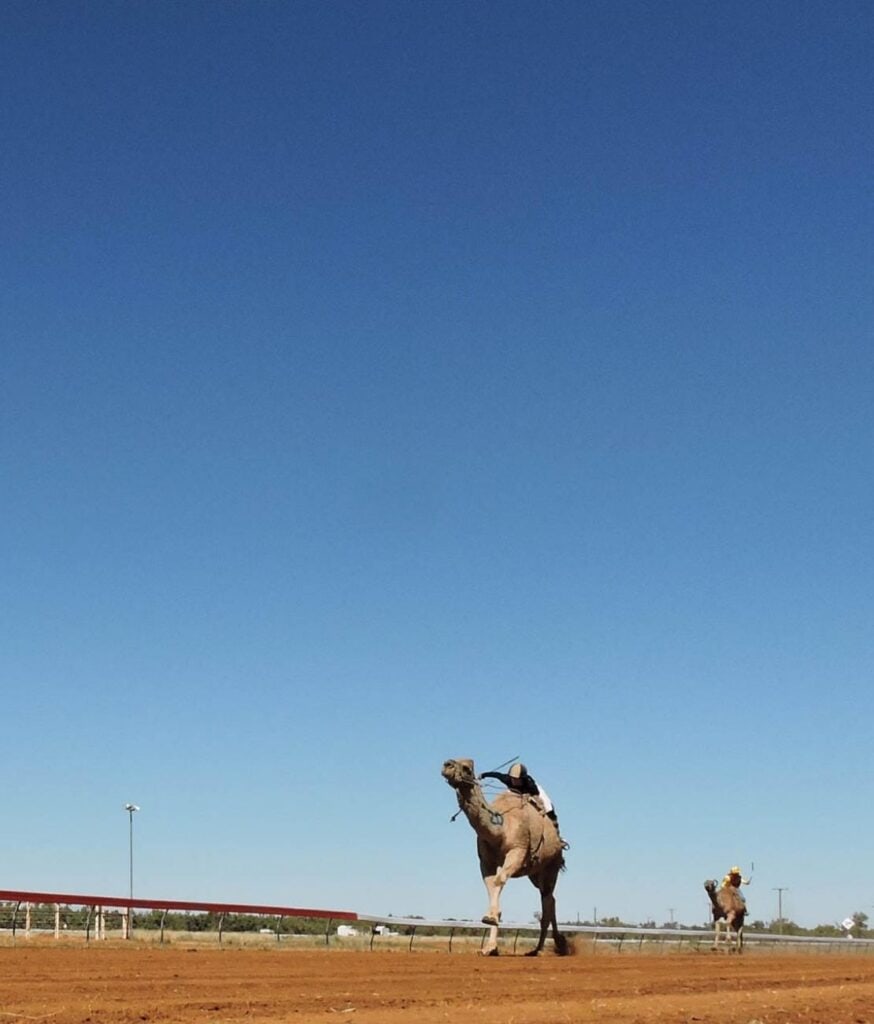
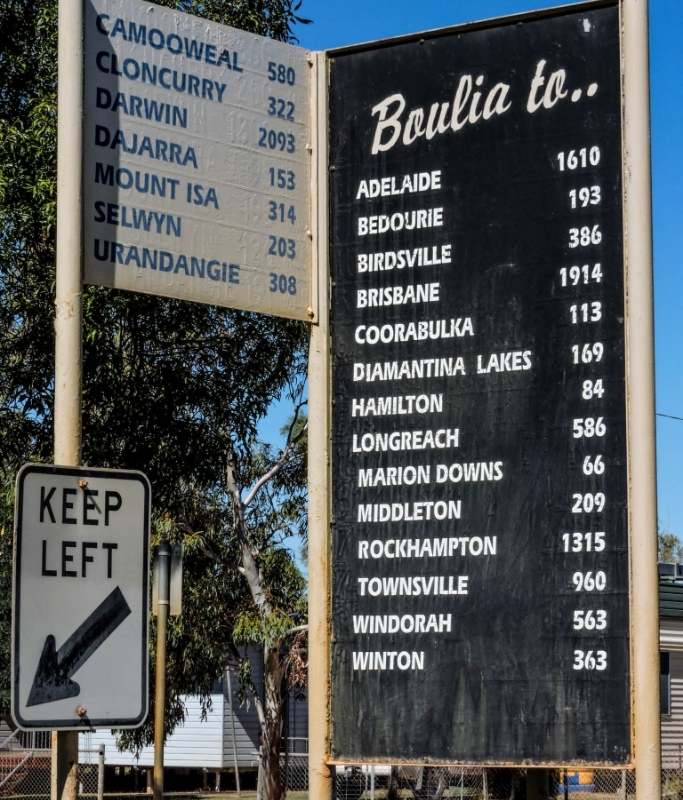
I borrowed my flatmate’s Jetboil, bought a swag and a sleeping bag, packed 10 litres of water, and drove 11 hours to get there. That was it. I was naive, sure—but heading out anyway turned out to be the best decision I’ve made. That trip set everything in motion. I’ve been travelling solo ever since.
What started with a swag, a Jetboil, and no real plan has evolved into years of solo travel across remote Australia, from extended time in the Kimberley to tackling the Gibb River Road, when it was a dirt road, and the country that surrounds it.
If you’re just starting out, here are the things that helped me find my feet.
1. Essential Preparation: Gear & Supplies
Preparation isn’t just smart—it’s survival.
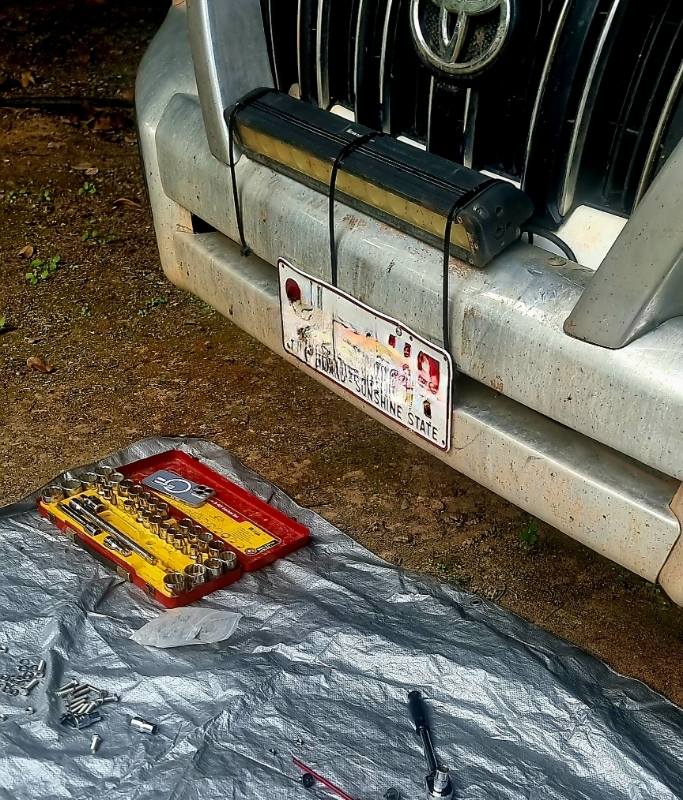
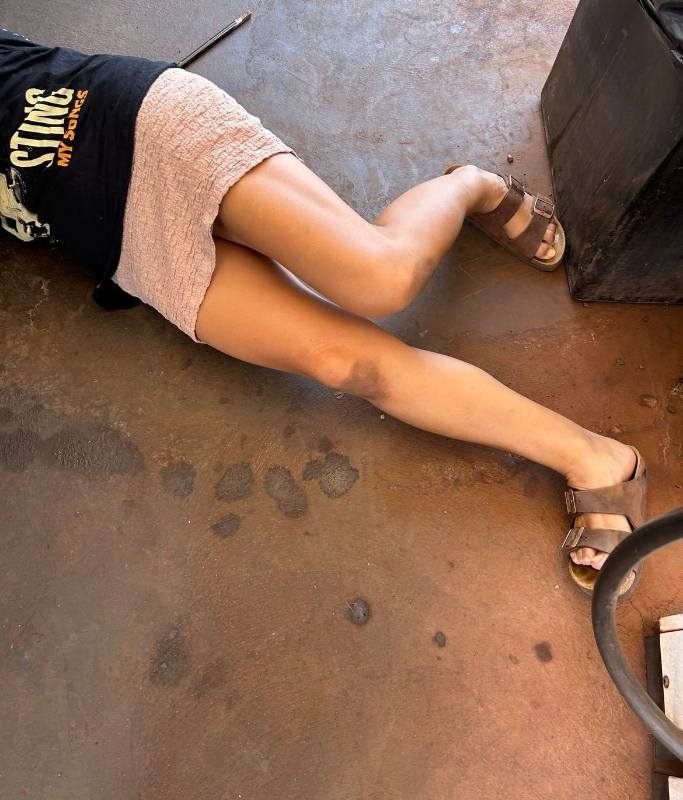
I made every rookie error—no tools, no backup plan, only a mobile phone. No idea what recovery gear I needed, or how vulnerable I really was. That all changes quickly when you find yourself hours from anywhere with no signal.
Once I bought my 4WD, I took the 4WD Adventure Training course at Low 4 Offroad in Mareeba. That changed everything. I learned how to assess terrain, handle recoveries, change a tyre, and stay calm when things went sideways—actually, I learned how to avoid sideways situations altogether.
These days, I keep my kit dialled in and terrain-ready. Here’s what I always have in place:
- Offline maps + a physical map—tech fails, paper doesn’t
- Facebook groups for real-time updates from other travellers
- Emergency contacts saved + written down
- Regular gear checks before every trip to suit the terrain
For a full gear list and Outback-specific prep, check out:
Outback Australia Road Trip Guide
2. Comms – Staying Connected in Outback Australia
Australia is a massive country. While most of the population lives along the coast, the Outback offers an incredible experience—but communication is critical.
Accidents and breakdowns happen. If you don’t keep in contact with someone, no one knows where you are, and there is a lot of ground to cover to find you.
While Australian telecom providers (like Telstra) have rolled out satellite texting services, the technology is still in its early stages and ironing out its glitches. While traveling remote in the Kimberleys in WA, I found this service didn’t work at all when I needed it. Because of that, relying solely on standard mobile network coverage in the bush is a huge risk.
To stay safe and connected, here is the exact setup I use:
EPIRB / PLB: For true worst-case emergencies where immediate rescue is needed, carry an EPIRB or Personal Locator Beacon (PLB). Unlike satellite internet or mobile phones, an EPIRB triggers a direct emergency signal straight to search and rescue authorities with zero reliance on phone apps or subscription plans.
Dedicated Satellite Communicator (Garmin): This is my primary safety lifeline. It accurately pinpoints my GPS location and allows my people back home to track my whereabouts live. I can also send two-way text messages from anywhere without needing mobile coverage.
Starlink Mini: I carry a compact Starlink setup, but I only fire it up occasionally for quick FaceTime check-ins. It’s easy to get lost in technology if you have it—just because you can connect doesn’t mean you have to.
Power Tip: If you buy a Mini for remote touring, keep in mind you may need an Anderson plug adapter or a direct connector to your 12V car battery/dual battery setup to power it reliably out of your rig.
3. Know Where You Are—and What’s Around You
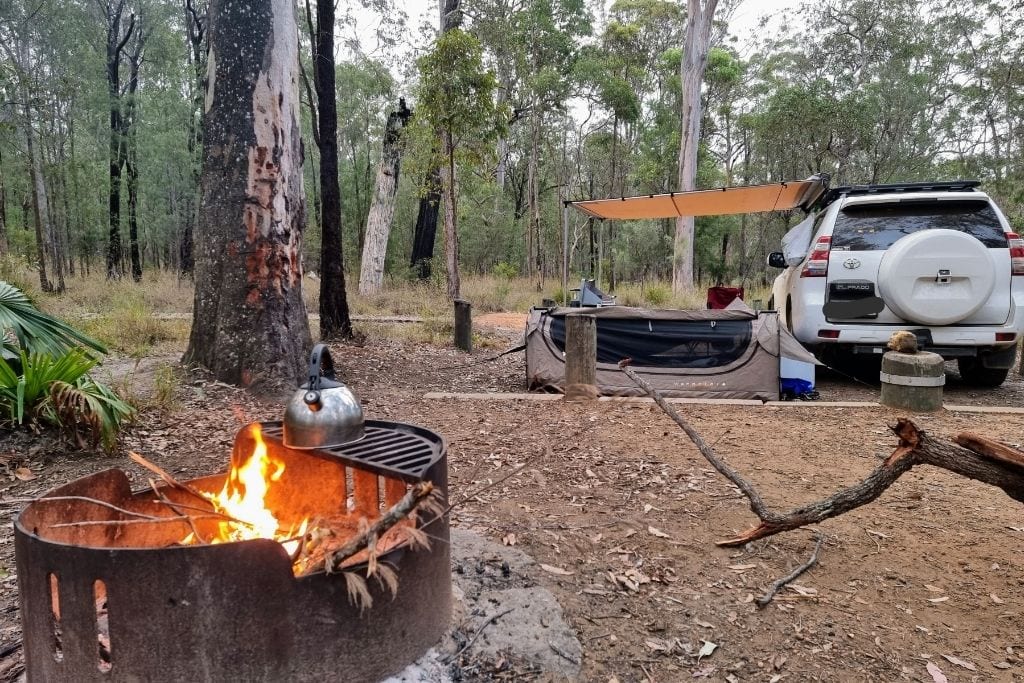
Arrive early and figure it out. Situational awareness isn’t about living in fear—it’s smart, self-reliant travel.
If you’re in a town and something feels off, move on. If you pull into a free camp and it doesn’t feel right, trust that feeling and keep driving. You’re not being overly cautious—you’re being responsible for your own safety.
Here is my personal safety routine for camping solo:
- Arrive before dark, always: Navigating an unfamiliar campsite or setting up camp in the dark raises your stress and makes it harder to assess who or what is around you.
- Park with a clean exit: Position your vehicle facing outward so you can pull straight out and drive away immediately if you ever need to leave quickly.
- Follow how the locals move: Observe how people in town or at camp interact—locals always know what’s normal for the area.
- Trust your gut: Your instinct is more reliable than you think. If a place or person gives you a bad vibe, leave without second-guessing yourself.
- Always have a Plan B: Know where the next campsite, caravan park, or rest stop is before you arrive, so you’re never forced to stay somewhere sketchy.
- Talk to other travellers: Ask people where they’ve just come from to get real-time updates on road conditions, camp vibes, safety tips, and recommendations.
- Use local visitor centres: Information centres and local staff often hear about track closures, fires, or safety issues long before they hit social media or the news.
- Lie if you need to—no guilt required: If a stranger asks if you’re alone, you don’t owe them the truth. A simple “My partner is just grabbing something from the truck” or “I’m meeting my group down the road” keeps your boundaries secure.
Australia is stunning, but it is also vast and isolated. Being in the middle of nowhere is a huge part of the appeal, but it also means help isn’t around the corner. Stay alert, check in regularly with your emergency contacts, and trust your instincts every single time.
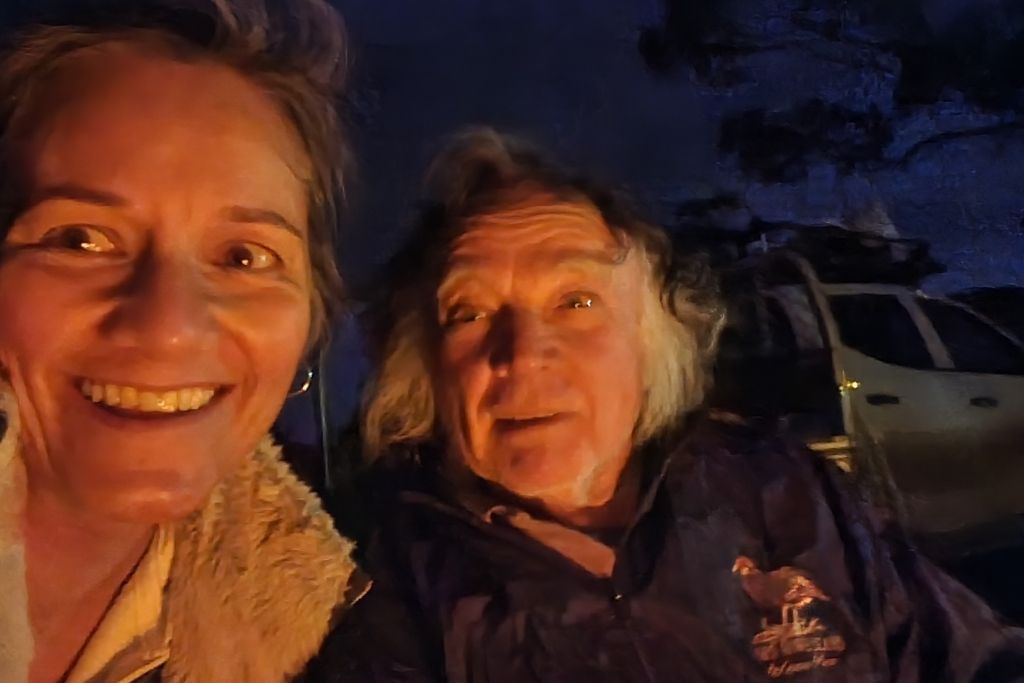
4. Station Stays, Freedom Camping, Roadhouses & National Parks: Choosing Where to Stay
Choosing where to lay your head for the night depends on your comfort level, your rig setup, and your budget. Australia offers a huge variety of camping styles, from fully equipped working stations to completely off-grid freedom camps.
Understanding the difference helps you plan a trip that keeps you feeling safe and secure every single night:
Remote Station Stays (The Ideal Balance of Safety & Community)
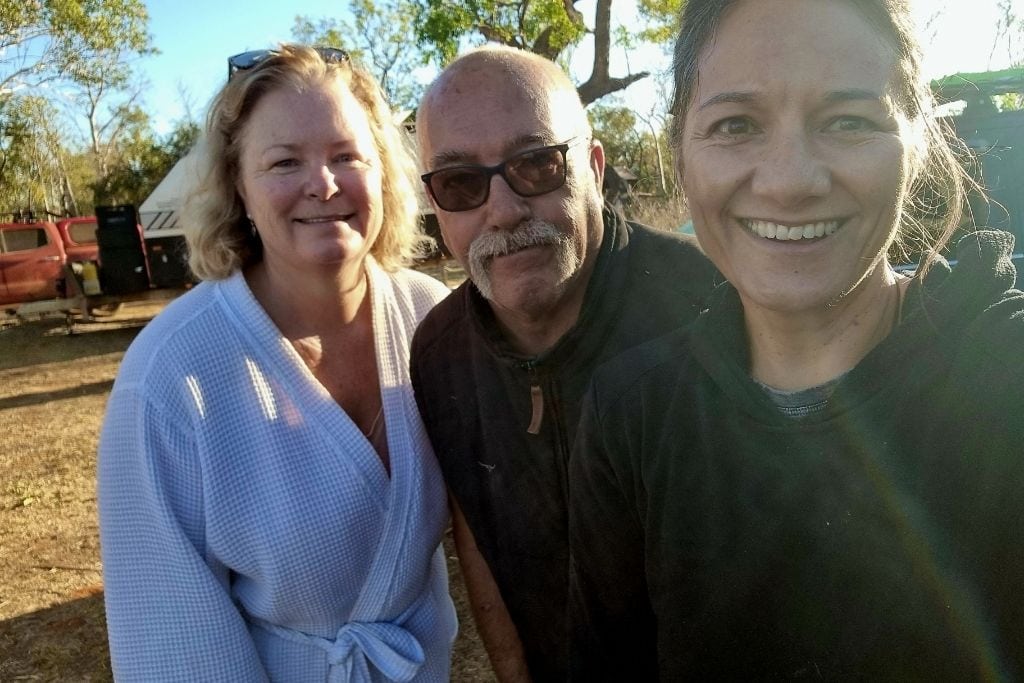
Station stays (like Barnhill Station on the Kimberley coast or Mt Hart Wilderness Sanctuary off the Gibb River Road) are fantastic options for solo travellers.
- The Vibe & Safety: Station stays are exceptionally safe. Because you are camping on managed property, you get the peace of remote Australia without the isolation of an open roadside stop.
- Amenities: They typically provide clean showers, flushing toilets, and laundry facilities.
- Community: Many station stays offer communal camp kitchens, wood-fired pizza nights, bars, live entertainment, or home-cooked dinners. It’s an easy, low-pressure way to meet fellow travellers, swap road updates, and enjoy a meal without cooking.
Outback Roadhouses (Essential Safe Havens & Fuel Hubs)
Outback roadhouses (like Norseman, Barnett Station, or Archer River ) are the lifelines of remote Australian highways.
- The Vibe & Safety: Roadhouses are fantastic, highly visible safe stops for solo travellers. Because there are always truckies, staff, and fellow touring families around, they offer a very safe, brightly lit environment to rest for the night.
- Amenities: Most roadhouses offer powered and unpowered camping sites behind the main building, along with hot showers, toilets, laundry facilities, hot meals, and basic groceries.
- Local Intel: The staff and truckies stopping at roadhouses know the tracks better than anyone. They are the best people to ask about real-time road conditions, recent weather washouts, or track closures before you push deeper into remote areas.
Freedom Camping (Self-Containment Is Key)
Freedom camping allows you to stay in roadside rest areas, riverbeds, and designated free sites. Some popular freedom camps can be highly populated, offering safety in numbers.
- The Essential Rule: You must be fully self-contained. Having your own toilet (whether it’s a chemical portable toilet, cassette system, or a simple pop-up ensuite setup) is essential. Many free sites strictly enforce self-containment rules, and having your own facilities means you never have to walk into dark bushland late at night.
- Safety Tip: If a free camp feels eerie or empty, don’t force yourself to stay. Use your Plan B and head to a paid station stay or caravan park instead.
National Parks & First Nations Land (Permits & Passes State-by-State)
Camping in National Parks or on Indigenous-controlled land gives you access to some of Australia’s most breathtaking landscapes, but requires preparation. You must check pass requirements before heading out of phone reception:
- Western Australia & Northern Territory: WA requires Park Passes for iconic spots (like Cape Le Grand or Karijini). In the NT, a park pass is mandatory for parks like Tjoritja / West MacDonnell Ranges.
- New South Wales: NSW National Parks require either a daily vehicle pass or an Annual Park Pass (e.g., Kosciuszko National Park or South Coast parks). Most campgrounds also require pre-booking online.
- Tasmania: Tasmania enforces a strict National Parks Pass system for all visitors entering their national parks (like Cradle Mountain or Freycinet). You can buy daily, holiday, or annual passes before boarding the Spirit of Tasmania or picking up your rig.
- Queensland: QLD requires camping permits booked in advance through Queensland National Parks for popular spots like Fraser Island (K’gari) or the Cape York tracks.
- First Nations Land & Customary Passes: Travelling through or camping on Indigenous-controlled land requires specific visitor permits to respect local Traditional Custodians. For example, visiting Mitchell Falls requires an Uunguu Visitor Pass.
Need an example of how permits work on remote 4×4 tracks? Check out my full guide on Permits and Passes Required for the Gibb River Road to see the exact breakdown of national park, transit, and traditional owner passes you need before tackling remote WA.
5. Pack What You Can Manage
Because it’s all on you.
When you travel solo, you have to lift it, strap it, and repack it, So keep it simple.
Merino clothes are your friend—lightweight, breathable, and surprisingly good at not picking up that multi-day stink between showers. You can wear them for days, and somehow, they still pass the sniff test.
My kit usually includes:
- Jetboil which doubles as my small cooker
- Reliable swag and good mattress
- Good boots + water shoes
- Headlamp + spare batteries
- 20 litres of water
- Dry bags + merino layers
Don’t bring five outfits. Bring two that work. Pack Like You’ll Carry It! This is a basic list just Keep It Simple.
Only pack what you can manage alone. That includes lifting it, strapping it, dragging it uphill if needed. Choose gear that’s light, durable, and fits your actual needs. Know your setup, and don’t count on someone else to help.
5. Respect the Wildlife—And Know the Risks
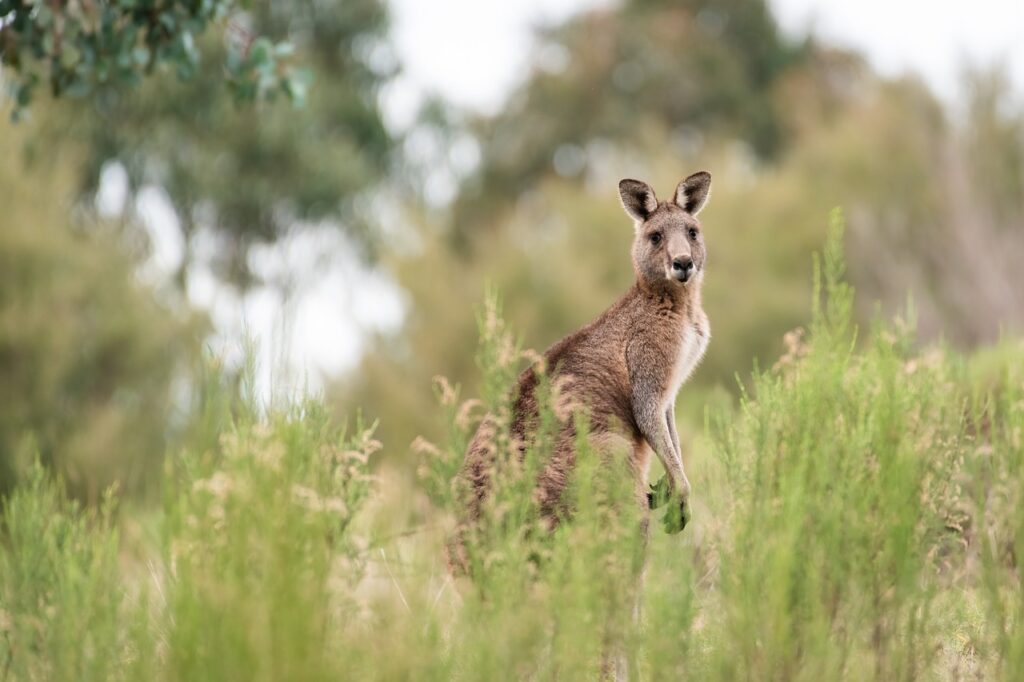
Australia’s animals aren’t out to get you—but they demand respect.
I’ve had to pause for emus, wait out a snake on a trail, and sidestep roos at dusk. These encounters are part of what makes this country wild—and wonderful.
Read up before you go. Here’s where to start:
🦘 5 Wildlife Travel Tips You Should Know
6. Tread Lightly—Travel Sustainably
You’re not just passing through—you’re walking through Country.
Walking on Country: Respecting the Land and Its History
We have the privilege of exploring lands where First Nations ancestors have walked, lived, and cared for the environment for over 60,000 years. This continuous connection to the land is a privilege to experience, and respecting this space means being mindful of the footprint you leave behind.
A few simple actions go a long way in protecting these sacred landscapes:
- Use refill stations to minimise plastic waste.
- Take your rubbish with you to keep the land pristine.
- Stick to marked tracks to protect delicate ecosystems and respect culturally significant sites.
- Read the signs to see if you can enter some areas. Some places you need permits and permission to enter
Walking with awareness and respect honors both the land and its Traditional Custodians.
Start here:
🌏 Your Guide to Eco-Friendly Travel in Australia
🌿 10 Ways to Travel Sustainably and Make a Difference
7. Get the Skills Before You Go
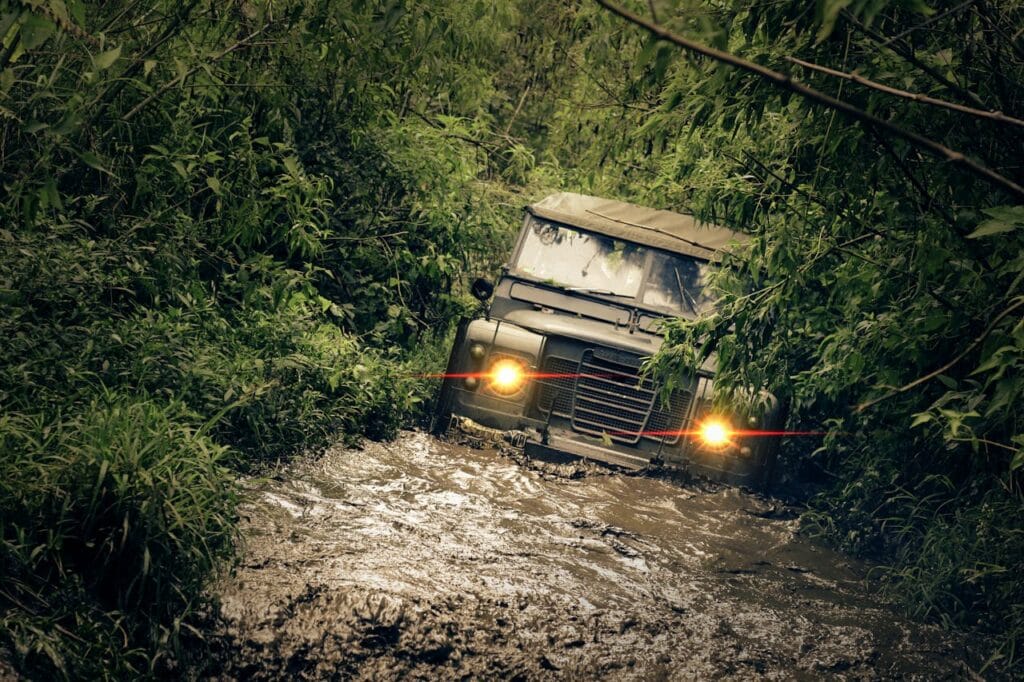
This isn’t the place to wing it.
I don’t say that to scare you—I say it so you feel confident before you hit the road. You don’t need to know everything, but the basics matter.
Before your first Outback trip, I recommend:
- ✅ Basic first aid
- ✅ 4WD training course
- ✅ know how to change a tyre + how to use your jack
- ✅ Recovery gear and how to use it
- ✅ Communication tools (sat device, check-in routine)
Knowledge takes the fear away. If something happens, you’ll know what to do.
8. You Don’t Need a Reason
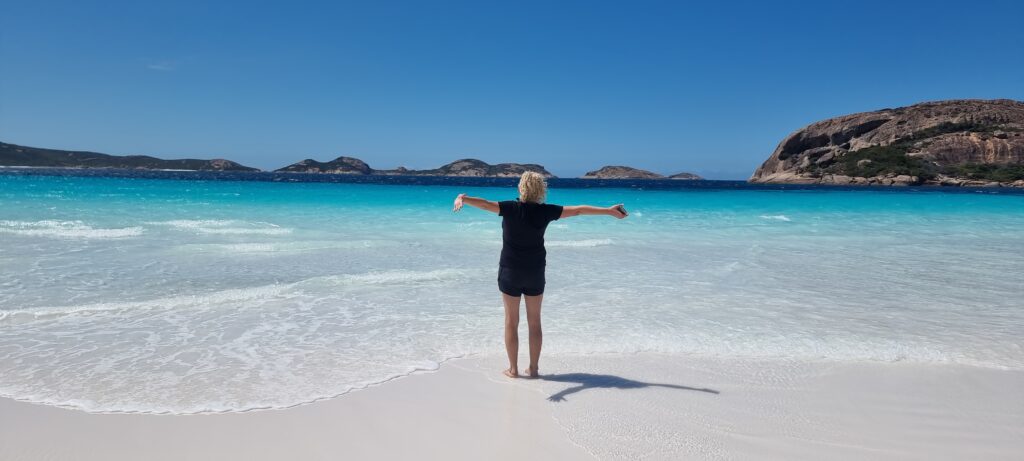
This is your life. You get to choose what it looks like.
You’re not selfish. You’re not running away. You’re not proving anything to anyone. You’re just doing something that matters—to you.
There will be hard days. But there will be better ones too—the ones where you’re watching the sun rise in the desert, or hearing nothing but your own breath in the Kimberleys.
Ready to Go? Good.
Solo travel in Australia isn’t about being fearless—it’s about being prepared, being curious, and backing yourself. The Outback will test you, teach you, and reward you like nowhere else.
Start small, start smart, but start. You don’t need permission. You just need the will to go.
So go. Book the trip. Pack the swag. Back yourself.
And when you do—let me know. I’ll be cheering you on from some red dirt road, probably chasing the next sunrise.
Start small. Plan well. Go far.
This post is part of the Solo Women Travellers Series.
Up Next in the Series:
⭢ The Mental Shift That Happens When You Take the Leap
Bookmark the series. Take what you need. And travel well.
