


Karijini National Park sits in the heart of Western Australia’s Pilbara region, about 1,400 kilometres north of Perth. Spanning more than 620,000 hectares, it’s the second-largest national park in the state — and easily one of the most spectacular. This is real outback country: rust-red ranges, deep gorges, and waterfalls spilling into cool, hidden pools.
It might be a fair drive to get here, but it’s worth every kilometre. Karijini feels untouched — ancient rock formations, clear night skies, and landscapes that look straight out of another world. It’s a place for hikers, photographers, road-trippers, and anyone chasing that feeling of being small in a big landscape.
Best Time to Visit Karijini
The best time to visit Karijini National Park is from May to September. Days are warm, nights are cool, and rain is rare.
Try not to visit from November to March. Temperatures can exceed 38°C, and flash floods can occur. The visitor centre is also closed during the summer.
Before hiking, always check conditions with rangers or the Karijini Visitor Centre.
How to Get to Karijini National Park
There’s more than one way to reach Karijini, and each route has its own rewards. It all depends on where you’re coming from and the kind of Western Australia road trip you’re chasing. Below I’ve shared the most direct way to get there, plus a few scenic detours for those with extra time and a taste for outback adventure.
From Perth (via Meekatharra and Newman)
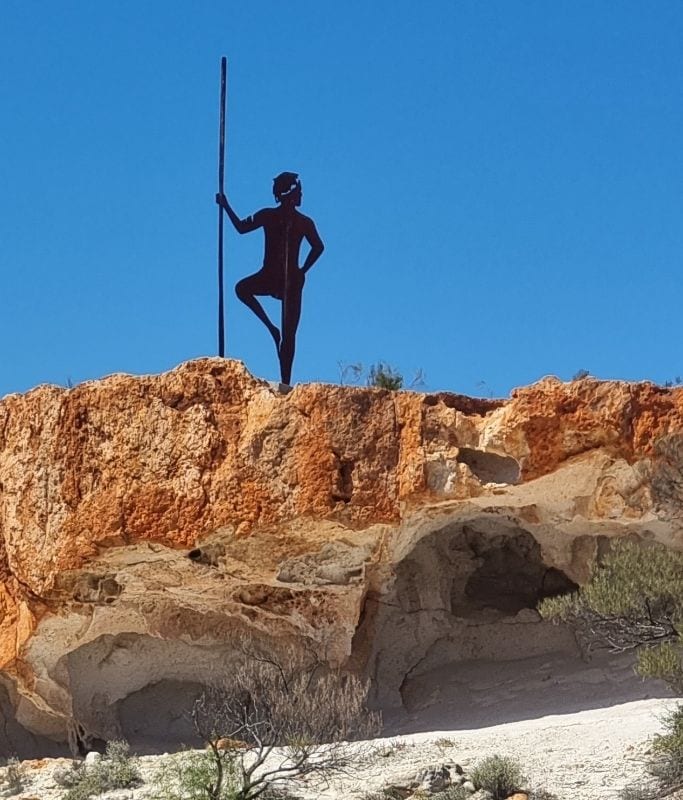
This is the classic inland run — roughly 1,400 kilometres through the outback heart of WA. Follow the Great Northern Highway north through Paynes Find, Mount Magnet, and Meekatharra before reaching Newman, the last major town before the park. Most travellers break the drive into two days, stopping overnight in Meekatharra or Cue.

It’s a long haul, but the scenery shifts beautifully from wheatbelt to red desert country.
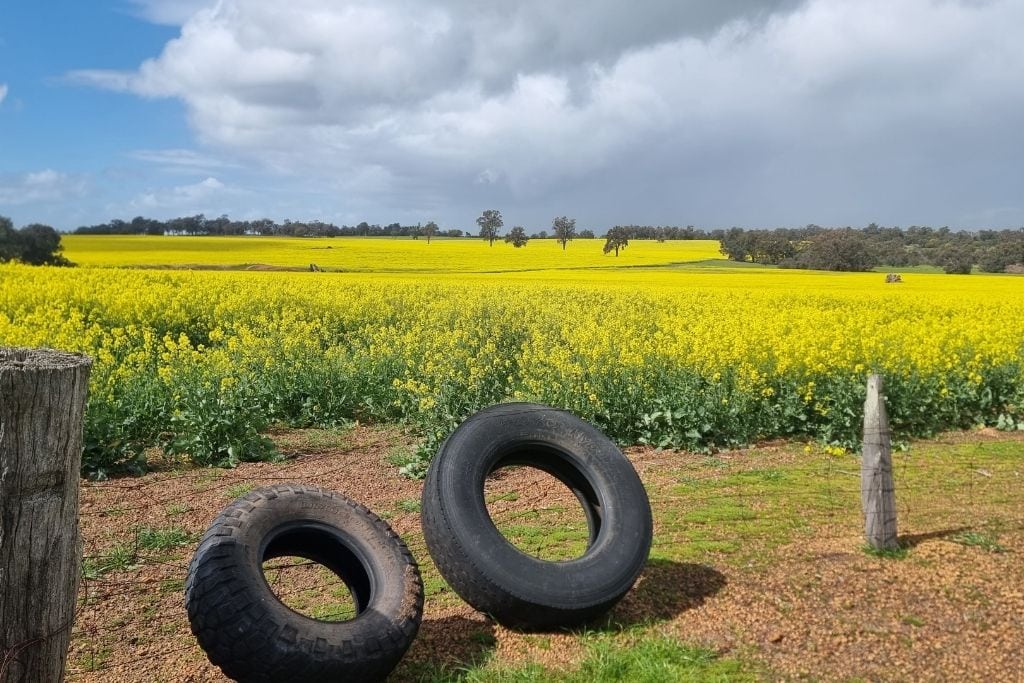
If you time it well, you can catch the wildflowers through here around August to October. This is when the desert shows its colours.

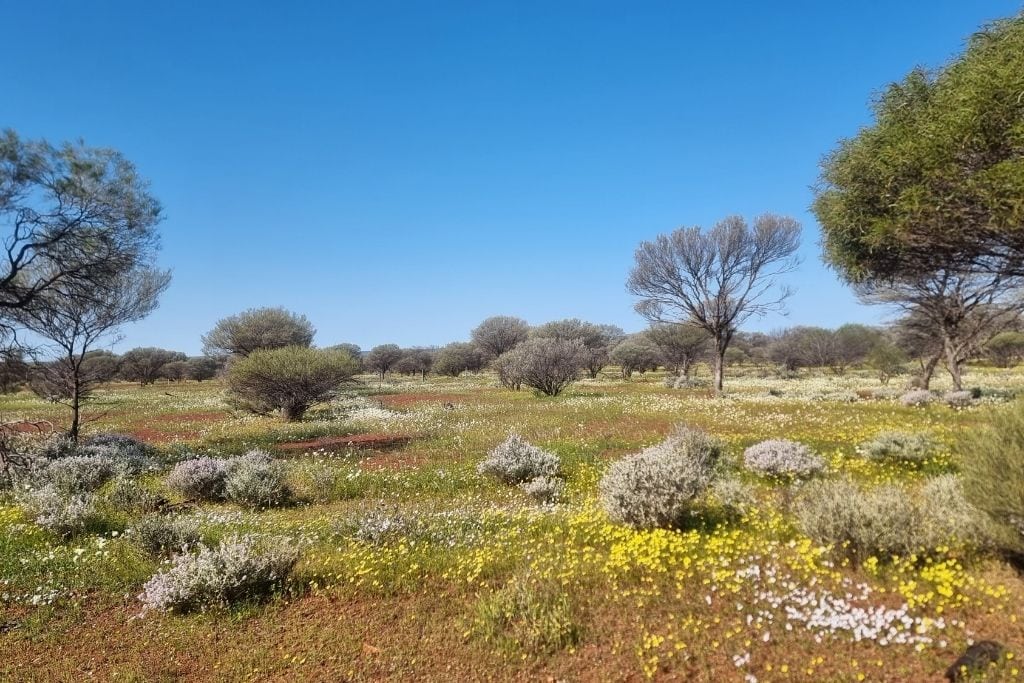
From Karratha or the Pilbara Coast

If you’re already up north, the drive from Karratha to Tom Price takes around six hours. You’ll roll through classic Pilbara country — red rock ranges, spinifex plains, and those long ore trains winding their way to the coast. Roads are sealed most of the way, though it’s worth checking for localised works before setting off. You’ll also pass through Millstream Chichester National Park, so make time for a stop at the Homestead Visitor Centre and a swim at Python Pool or Deep Reach before continuing inland.
After Millstream Chichester, there are a couple of ways to reach Karijini National Park. If you’re taking the Rio Tinto Rail Access Road, you’ll need a permit and to complete a quick online safety training module through the PKKP Aboriginal Corporation website. You can also arrange the permit in person at either the Karratha or Tom Price Visitor Centres. This road is great 2wd love this.
I, however, don’t have a 2WD, so I prefer a road with a wee bit more adventure. I love options —just take the other road and go straight to Hammersley Gorge, then to Tom Price.
Exmouth/ Onslow to Karijini National Park

If you’re coming from Onslow or Exmouth, you’ll be heading inland through some classic Pilbara landscapes on your way to Karijini National Park. From Exmouth, take the North West Coastal Highway south and turn off toward Nanutarra, then follow the road east through Paraburdoo and Tom Price — it’s about a six to seven-hour drive depending on stops.

The roads are sealed for most of the way and well maintained. You’ll pass red earth plains, spinifex country, and the first signs of the Hamersley Ranges rising in the distance. Make sure you fuel up before leaving the coast, as services are limited along this stretch. It’s a long run, but the change from turquoise coastline to rugged inland ranges is one of the most beautiful transitions in Western Australia.
From Broome
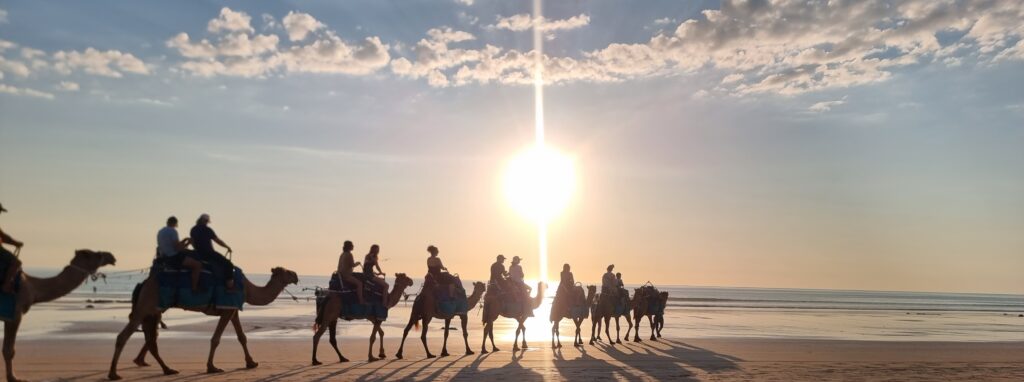
Travelling south from Broome? It’s a long drive — about 11 to 12 hours — so most people break it up with an overnight stop in Port Hedland. From there, it’s roughly four and a half hours inland to Karijini National Park. This route fits perfectly into a full north-to-south Western Australia road trip. Don’t forget to top up at Auski Roadhouse before the turnoff to Karijini — it’s your last reliable fuel stop.
Another option from Broome via Marble Bar:
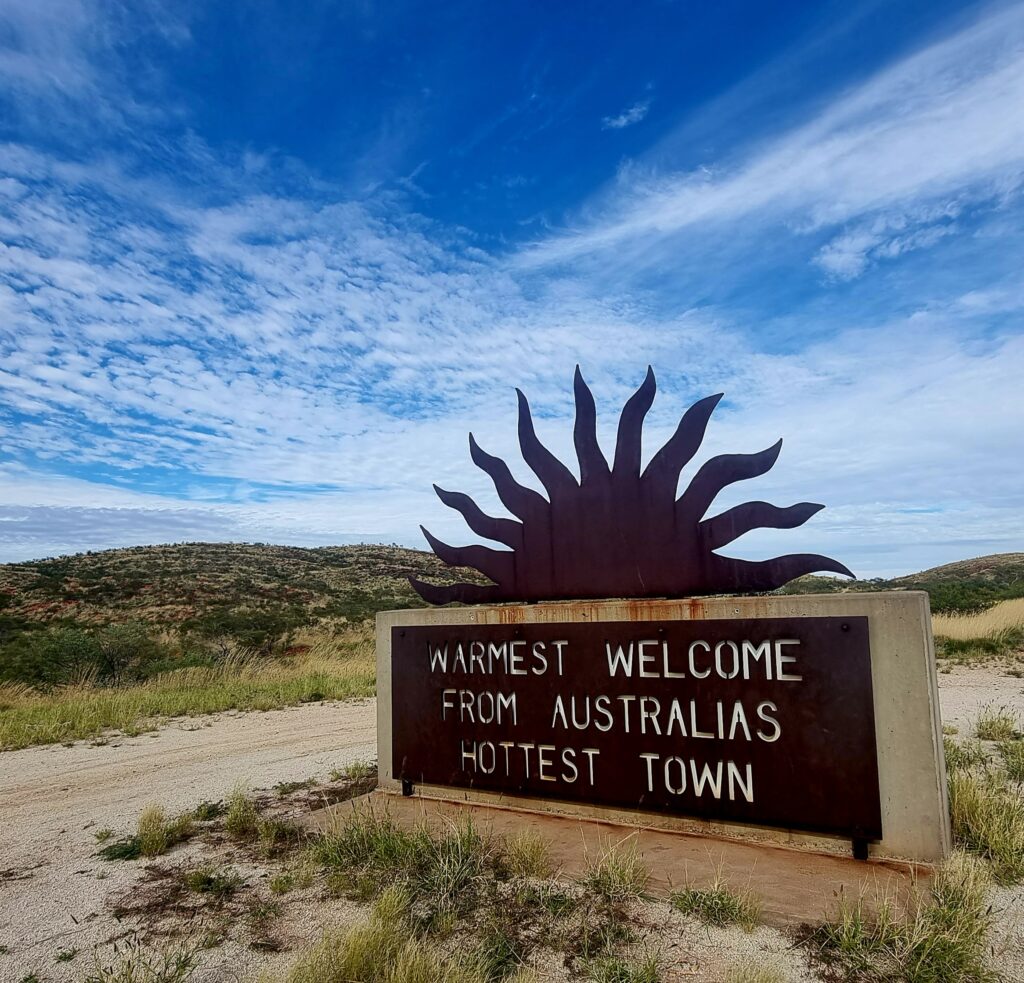
If you want a wee bit of a side trip, you can turn off to Marble Bar before you get to Port Hedland, then it’s around 170km to Australia’s Hottest Town. There is also a campsite here, and some freedom camps close by. Check out my post on Marble Bar: Venture into the Hottest Town in Australia.
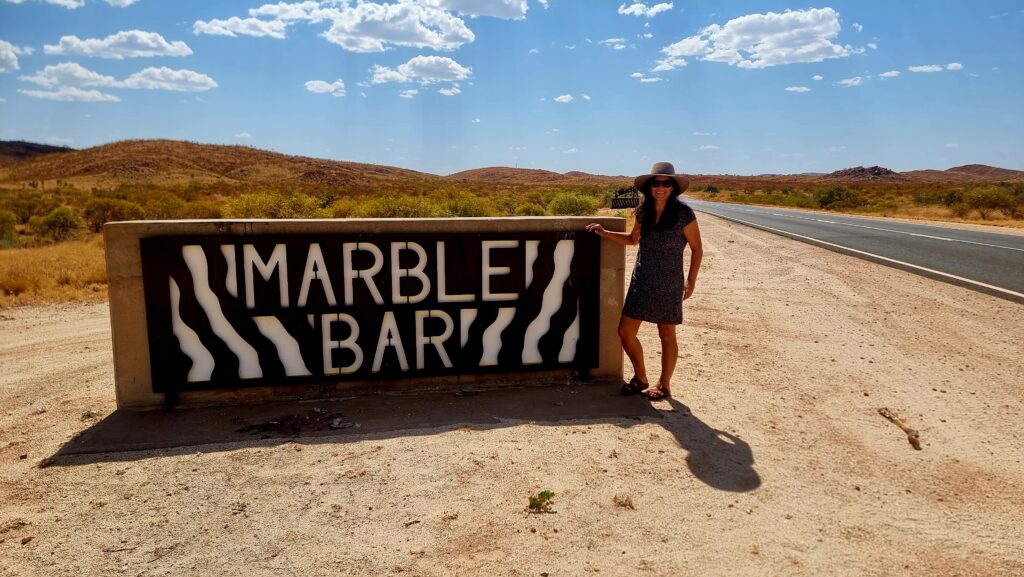
From here, you can head through Nullagine, about 119 km from Marble Bar, and stop at the Nullagine Pub – the Conglomerate Bar for lunch or even an overnight stay in a true outback town. From Nullagine, it’s another 120 km to Newman. This route covers roughly 300 km in total and definitely calls for a 4×4, but it’s a great way to see a quieter side of the Pilbara.


Another option from Marble Bar is to head out to Hillside – Marble Bar Road and head through to Great Northern Highway and left to Auski Roadhouse. This is quicker but again you need a 4×4.

From the Centre or the Northern Territory (via Meekatharra)
For those crossing the centre — perhaps from Alice Springs or Uluru — the route through Meekatharra connects straight to the Great Northern Highway. It’s remote but spectacular, and you’ll pass through plenty of actual outback stations before reaching the Pilbara.
Fuel and Vehicle Tips

Fill up whenever you can. The closest fuel to the park is Tom Price, about 80 kilometres away. Inside the park, there are no petrol stations, so plan and carry extra water. If you are coming from the east, fill up at Newman or Auski Roadhouse.
The top things to do in Karijini National Park
There’s no shortage of things to do in Karijini National Park — every trail, gorge, and lookout reveals something new. Swim beneath waterfalls at Fortescue Falls and Fern Pool, tackle the Spider Walk in Hancock Gorge, and soak up the views from Oxer Lookout or Mount Bruce. Whether you’re here to hike, photograph, or just sit beside a cold pool surrounded by ancient red rock, Karijini delivers the kind of adventure that stays with you long after you’ve left.
Weano Gorge & Handrail Pool


Start early for cooler temperatures. The first section is gentle, then narrows before a steep descent, helped by a metal handrail. The pool below is cold but beautiful.
Hancock Gorge & the Spider Walk

Hancock Gorge is pure adventure. Walk through narrow corridors and water-filled passages to reach Kermit’s Pool. The “Spider Walk” is challenging but iconic. I just jumped into the water and skipped that part tbh. It looked too slippery for my liking, and a cool swim is refreshing. I used reef shoes (sometimes the visitors centre sells these) as it is rocky, then place your camera and phone in a dry bag. I just took my action camera, which I think is the best bet in these tricky spaces.
Hamersley Gorge & Spa Pool


It’s about an hour’s drive from the visitor centre. The last part of the road is gravel, but still manageable. The swirling rock walls and blue Spa Pool are impressive, so take your time here. I did this as a day trip from Tom Price.
Mount Bruce (Punurrunha)
This is the second-highest peak in Western Australia. The 9 km return hike takes 4 to 6 hours. Start early in the morning for great Pilbara views and cooler temperatures.
Fortescue Falls and Fern Pool

At the eastern edge of the park lies Dales Gorge, where Fortescue Falls and Fern Pool form a standout duo you shouldn’t miss. From the carpark, a short class-1 path leads you to the lookout over Fortescue Falls — the only permanent waterfall in Karijini’s red-rock heart, tumbling into a shaded pool.

Then, if you’re up for it, take the class-4 trail up to Fern Pool, a serene swimming spot under twin falls and paperbark trees. Combine them into a half-day loop, by walking the Fortescue Trail and you’ll walk away feeling like you’ve truly travelled this wild land.
Joffreys Gorge

Joffre Gorge is one of those spots that stops you in your tracks. The short walk from Karijini Eco Retreat leads to a lookout with incredible views of the natural amphitheatre below.
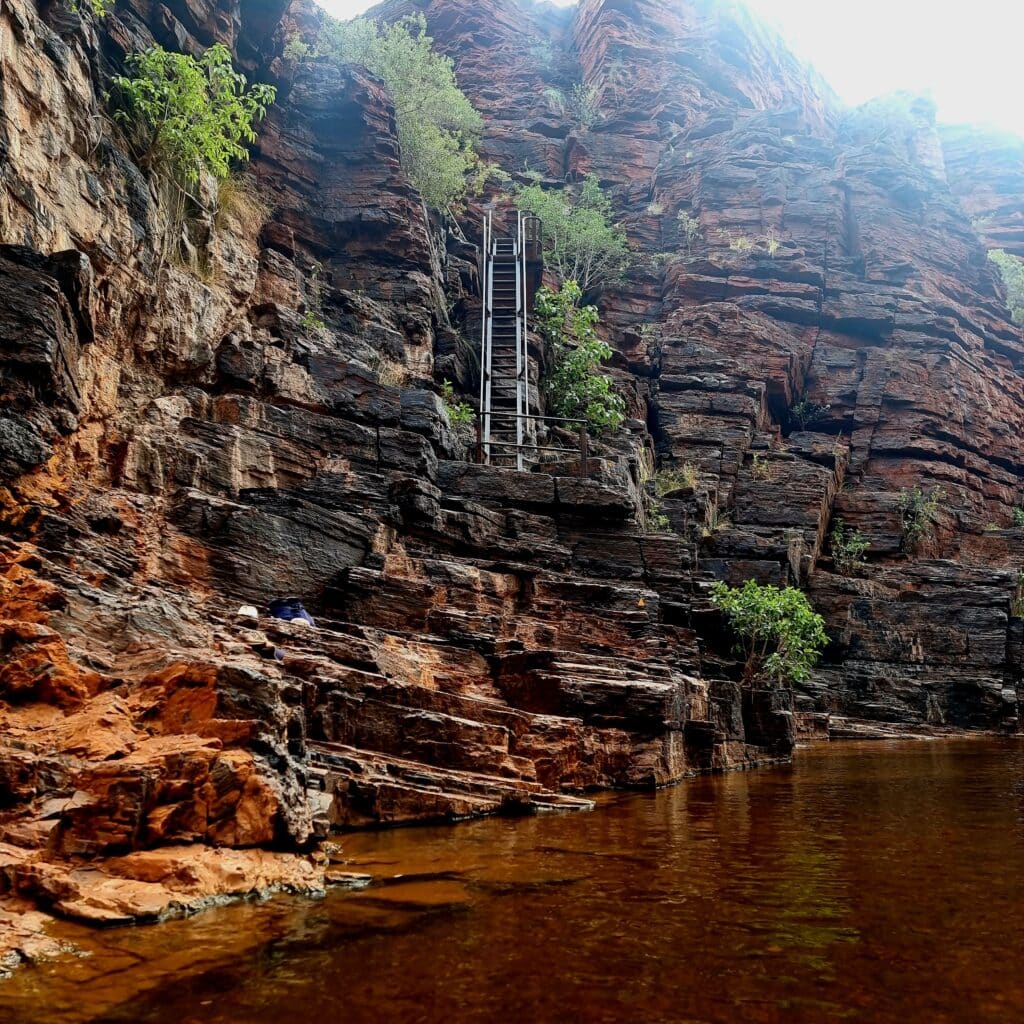
If you’re up for the descent, follow the Class 4 trail down into the gorge to reach the base of Joffre Falls — a stunning spot after rain when the water cascades into a deep, circular pool. Even when it’s dry, the scale and colours here make it worth the walk. I missed the waterfall, unfortunately, as I arrived late in the season.
Knox Gorge
Knox Gorge feels remote and a little wild, even by Karijini standards. The Class 5 trail leads you down into a narrow chasm where red cliffs rise high on both sides. There’s some scrambling involved, but the reward is absolute peace — just the sound of water trickling through ancient rock. This is only open to 4×4 in 2025. It’s one of the less-crowded spots in the park, perfect if you like a challenge without the crowds.
Kalamina Gorge
Kalamina Gorge is a gentler walk and a great introduction to Karijini’s landscapes. The trail starts at the lookout and winds down to a small waterfall and shaded pool, then follows the creek deeper into the gorge. It’s an easy, scenic walk that gives you an authentic taste of the park’s beauty without the big climbs — perfect for a relaxed morning before tackling the more challenging trails.
Understanding Trail Difficulty
Karijini uses Australia’s Class 2 to 5 trails. Class 2 to 3: Easy to moderate. Good for families and casual hikers.al hikers.
- Class 4 trails are more challenging, with steeper terrain and sections requiring scrambling over rocks or uneven surfaces. Hikers should be fit and have some bushwalking experience.
- Class 5 trails are technical and demanding, often unmarked and involving rock climbing, wading, and exposure to heights. Only fit, confident, and experienced hikers should attempt these routes.
Even short walks can take a long time, so always make safety your top priority.
Suggested 3-Day Karijini Itinerary
Day 1 – Dales Gorge Area

Explore Fortescue Falls and Fern Pool. Walk the gorge loop. Overnight at Dales Campground. This is where I stayed the first time I went to Karijini. I loved its proximity to Fortesque Falls, as after a big day, a swim is magic.
Day 2 – Weano & Hancock Gorges
Visit Handrail Pool early. See Hancock Gorge and Kermit’s Pool. Watch the sunset at Oxer Lookout. Check out Joffrey Gorge on your way back
Day 3 – Hamersley Gorge
Drive to Hamersley Gorge. Enjoy the Spa Pool and photograph the rock formations. Depart for Tom Price or the next stop. This road from Tom Price is frequented by mining trucks, + it is not for two-wheel drives. The road is corrugated and made of red dirt.
Where to Stay in and Around Karijini
Karijini Eco Retreat
This retreat offers glamping tents, powered and unpowered sites, and a restaurant. It is a great base for exploring the nearby gorges. Book early if you plan to visit during peak season.
Dales Campground

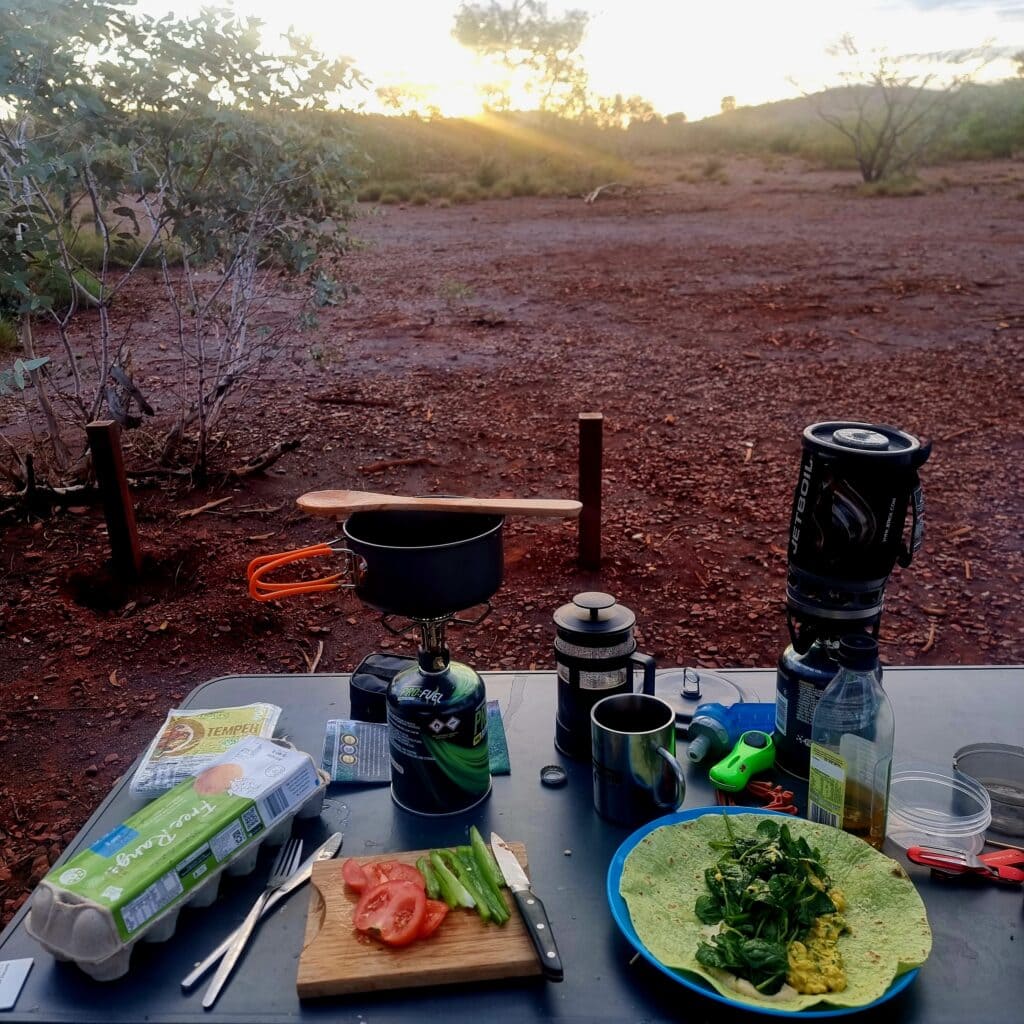
Budget option run by Parks and Wildlife. It offers bush toilets, but no showers. There are no picnic tables or BBQs, so plan accordingly for meals. Fresh water is not available, so bring enough water for your stay. The campground is in close proximity to Fortescue Falls.
Tom Price
Tom Price is a good base outside the park. You’ll find fuel, shops, a supermarket and shaded caravan sites at Tom Price Tourist Park. I also had to call RACQ because my car’s electrical system was faulty. The auto electrician fixed it in a heartbeat. Great stop for repairs.
Free Camping Near Karijini National Park
There are a few free camping options near Karijini National Park, perfect if you’re self-sufficient. Popular spots include Mount Bruce, which has amazing views and basic bush sites, and the Mount Robinson Rest Area, about an hour from Dales Gorge, with drop toilets and some shelter. You’ll also find the Albert Tognolini Rest Area east of Auski Roadhouse, and Buddha Overnight Free Camp near Hamersley Gorge — both great for a quiet overnight stay.
These are not official park camps, so while camping is free, you still need to pay for your Karijini National Park entry fee (a WA Parks Pass makes this easy if you travel often). Most sites are unsealed, without water or toilets, and fill up quickly in peak season, so arrive early and come prepared.
Wildlife and Cultural Respect
You may spot rock wallabies, dingoes, and many types of birds. At night, listen for frogs and geckoes near the pools. Check out my post on Australian Wildlife Safety Tips: 5 Smart Travel Rules. Just remember not to feed the dingoes!
Karijini is the land of the Banyjima, Kurrama, and Innawonga peoples. Fern Pool and Circular Pool are very important to them. Enter these areas quietly and follow all park guidelines. It is important to respect cultural etiquette by not photographing sacred sites and swimming only in designated areas. Engaging with and learning about the cultural history enhances your visit and fosters respect.
Safety Tips for Karijini
- Stay out of the gorges when it’s raining, as flash flooding can be deadly.
- Wear sturdy boots with a good grip because rocks can be very slippery when wet.
- Carry at least 2–3 litres of water per person for each hike.
- Mobile phone reception is limited. Let someone know your plans before you go exploring.
- Emergency phones are located at the main camping areas for use in urgent situations.
- Rangers are available at the visitor centre and can assist in case of emergencies.
- Smartreka Maps by the WA Parks Foundation make it easy to find your way around. Download the Avenza Maps app from the App Store or Google Play before you go, then add the Karijini National Park map. It’s geo-referenced, so you can locate yourself in the park without internet. Some maps are free, and others have a small fee that supports the WA Parks Foundation’s work.
- Begin your day early to avoid the heat in the Pilbara.
What to Pack for Karijini
- Hiking boots and quick-dry clothing
- Swimmers and a towel
- reef shoes
- Dry bag for valuables
- Wide-brim hat and fly net
- Reef-safe sunscreen
- Offline maps and a first-aid kit
FAQs About Karijini
Is Karijini worth visiting?
Absolutely. It is one of the most dramatic landscapes in Australia.
Can I visit in a 2WD?
Yes, most major attractions are accessible on sealed roads. A lot of the park now is bitumen.
How many days should I stay?
Plan for at least two full days. Three or four days will let you see everything at a relaxed pace.
Can I swim in the pools?
Yes, you can swim in the designated areas, but the water is cold all year.
When does the visitor centre open?
From March to November, 9 AM–4 PM
Finally, make the most of your visit with a stop at the visitor centre, which offers a range of services to enhance your stay. You can obtain maps, ask for advice on trails and conditions, and purchase necessary permits. Additionally, the centre has a selection of souvenirs and informational materials that provide insights into the park’s unique environment and cultural significance.
My Verdict
Whether you’ve come up from Perth, crossed the desert from the centre, or wound your way in from Karratha, arriving at Karijini National Park feels like you’ve reached the heart of Western Australia. It’s raw, remote, and unforgettable — a place where ancient rock meets crystal water and every gorge tells a story written over billions of years.
Take your time here. Walk the trails, swim beneath the waterfalls, and sit quietly by the pools as the light changes across the red cliffs. There aren’t many places left that feel this wild or this honest. Karijini is one of them — and it’s worth every dusty kilometre to get there.


Check out some of my other Western Australian Adventures and Travel Tips below:
Karijini National Park: The Gem of Western Australia
Western Australia Road Trip: 21 Must-See Spots in the Wild West
Outback Australia Guide: 27 Expert Tips for a Safe Adventure
